
Metal Etching Manufacturer Best Practices for Design for Manufacturability
This article provides comprehensive best practices for Design for Manufacturability (DFM) in metal chemical etching, tailored for engineers and designers. Key principles include selecting etch-compatible materials (e.g., stainless steel, copper), designing features with isotropic etch compensation (e.g., openings 1.7× thickness, filleted corners with radius ≥0.5× thickness), and specifying realistic tolerances (±10% of thickness is standard). Additional guidance covers thickness limits (0.02–2.0 mm), tooling requirements (vector CAD files, registration marks), and cost reduction strategies such as panelizing parts and using standard grades. Advanced topics include multi-level etching, text marking, and burr-free edge design. The article emphasizes early collaboration with etching manufacturers like DRAGON ETCHING TECHNOLOGY., LIMITED to optimize designs for efficiency and quality. A case study illustrates how adjusting slot spacing and adding fillets improved yield for a medical filter. The summary highlights that DFM reduces costs, shortens lead times, and ensures reliable production. DRAGON ETCHING’s expertise in electronics, automotive, medical, and consumer applications positions them as a trusted partner for implementing these best practices.
Introduction
Design for Manufacturability (DFM) is a critical approach in the metal etching industry, ensuring that components are designed for efficient, cost-effective production without compromising quality. As a leading provider, DRAGON ETCHING TECHNOLOGY., LIMITED (DRAGON ETCHING) leverages extensive experience to guide clients through DFM principles. This article outlines best practices for optimizing designs for chemical etching, covering material selection, tolerances, tooling, and process considerations.
Understanding Chemical Etching
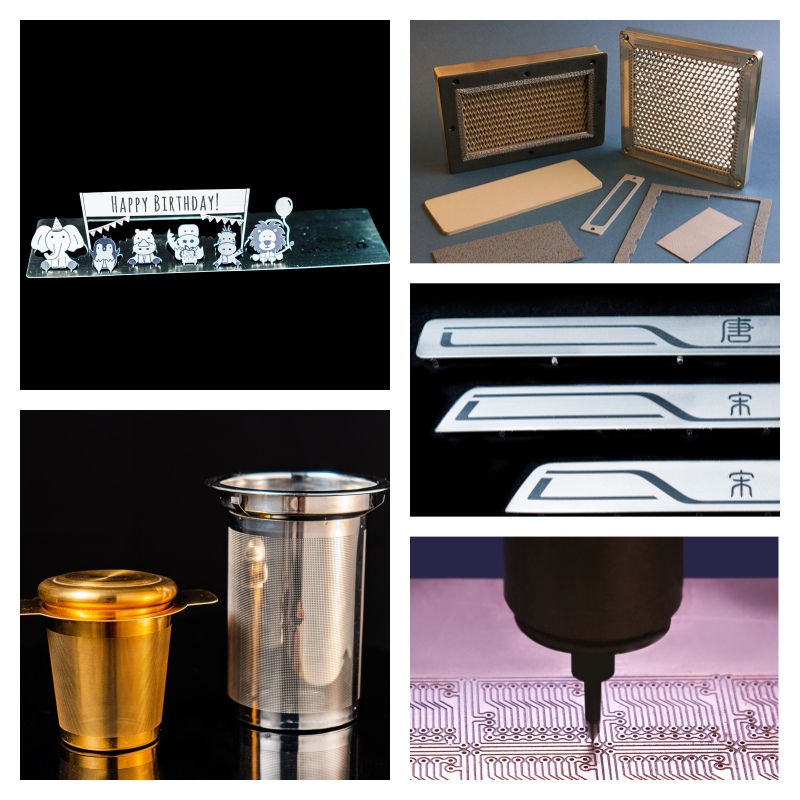
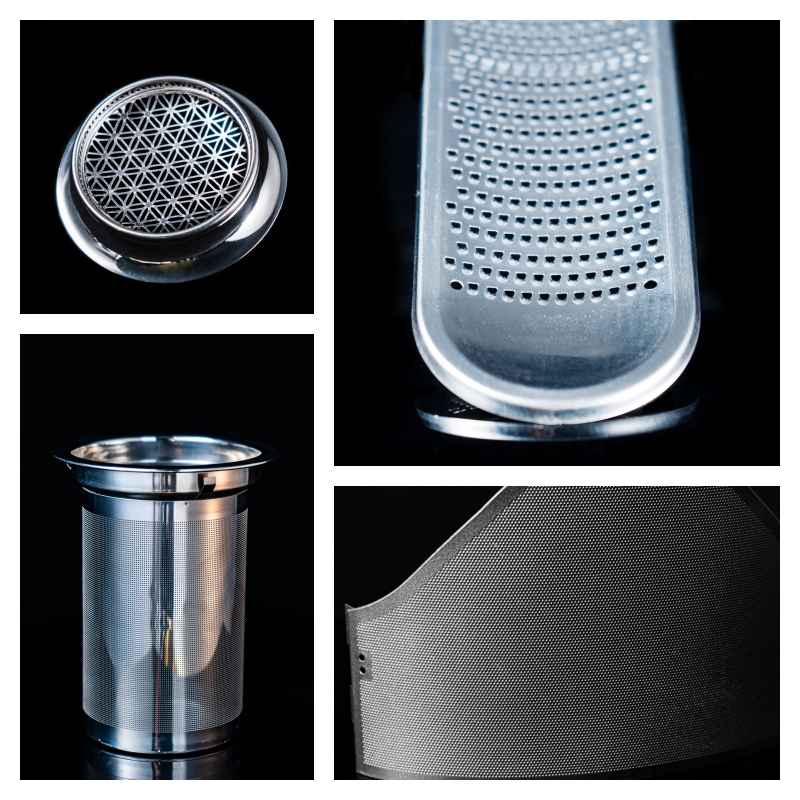
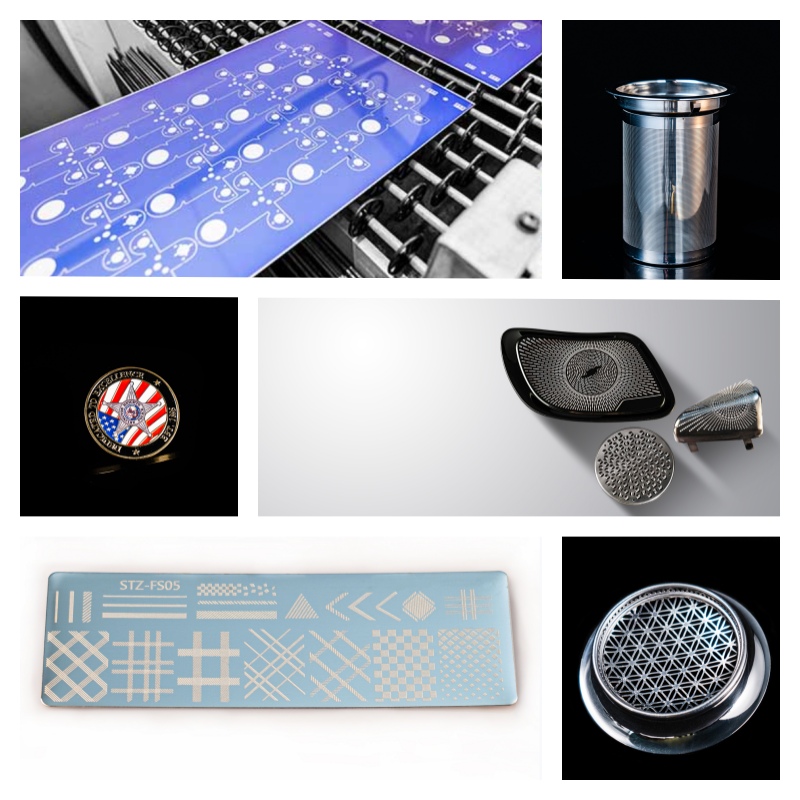
Chemical etching, also known as photochemical machining, uses corrosive chemicals to remove material from metal sheets. It is ideal for producing intricate parts with tight tolerances, no burrs, and no heat-affected zones. DRAGON ETCHING specializes in this process for industries such as Electronics and Semiconductor, Optics & Filtration, Automotive & Industrial, Medical & Consumer Electronics, and Cultural and Customized Gift Applications.
Key DFM Principles for Metal Etching
1. Material Selection
Choose metals compatible with etching chemistry. Common materials include stainless steel, copper, brass, and nickel alloys. DRAGON ETCHING recommends using materials with uniform grain structure for consistent etch rates. Avoid materials with high carbon content or exotic alloys that may require special etchants.
2. Feature Geometry
Design features with etch compensation in mind. Etching is isotropic, meaning it removes material equally in all directions. For example, a hole diameter will enlarge by about 1.5 times the material thickness on each side. Therefore, design openings 1.7 times material thickness to achieve finished dimensions. Minimum feature size should be at least 1.5 times metal thickness. DRAGON ETCHING advises maintaining a minimum space between features of 2 times thickness to avoid merging.
undefined
3. Corner Design
Avoid sharp internal corners because etching tends to round them. The radius achieved is approximately equal to the material thickness. Design with filleted corners (R ≥ 0.5× thickness) to ensure accuracy. For fixed radius requirements, DRAGON ETCHING can adjust etch parameters but may increase cost.
4. Tolerances
Standard tolerances for chemical etching are ±10% of metal thickness, but can be tighter with process control. DRAGON ETCHING typically achieves ±0.05 mm for thicknesses under 0.5 mm. Design for relaxed tolerances where possible to reduce rejects. Use a tolerance stack-up analysis for multi-feature parts.
5. Thickness Considerations
Material thickness affects etch time and undercut. Thin metals (0.05–0.5 mm) etch quickly with minimal undercut. Thick metals (up to 2 mm) require longer etch times and more compensation. DRAGON ETCHING works with thicknesses from 0.02 mm to 2.0 mm. For thicker parts, consider alternative processes like laser cutting.
6. Tooling and Artwork
Design artwork with phototool generation in mind. Use vector-based CAD files (DXF, DWG) with clean lines. Avoid extremely thin lines (<0.1 mm) that may not develop properly. DRAGON ETCHING uses high-resolution photoplotters for accurate masks. Include registration marks and reference holes for multi-layer alignment.
7. Batch Production
Chemical etching is ideal for both small and large volumes. To minimize cost, design parts that can be nested tightly on a sheet, reducing waste. DRAGON ETCHING advises panelizing multiple parts with common tab routing. Keep part size within standard panel dimensions (e.g., 600×600 mm).
8. Process Parameters
Understand the effects of temperature, concentration, and agitation on etch rate. DRAGON ETCHING employs state-of-the-art facilities with precise control. For DFM, provide critical dimensions and tolerances to allow process optimization. Avoid designing features that require multiple passes unless necessary.
Advanced DFM Strategies
Designing for Burr-Free Edges
One advantage of chemical etching is the absence of burrs. However, if subsequent processes like bending or plating are needed, design edges with radius to avoid stress risers. DRAGON ETCHING can provide stress-relief features on request.
Including Text and Markings
For part numbers or logos, use raised (photo-resist) or recessed (etched) features. Minimum line width for text is 0.25 mm, with a recommended height of 1 mm for readability. DRAGON ETCHING offers customization for cultural and gift applications.
Multi-Level Etching
Some designs require different depths on the same part. This is achieved through multiple exposures and etching steps. DFM for multi-level parts requires careful planning of mask alignment. DRAGON ETCHING recommends consulting their engineering team early.
Cost Reduction through DFM
| Factor | Impact on Cost | Recommendation |
|---|---|---|
| Material | Higher alloy = more expensive | Use standard grades (e.g., 304 SS) |
| Thickness | Thicker = longer etch time | Specify minimum functional thickness |
| Tolerance | Tighter tolerance = higher scrap | Set realistic tolerances |
| Quantity | Low volume = high setup per part | Combine orders or panelize |
| Feature Density | Narrow spaces = slower etch | Increase spacing where possible |
DRAGON ETCHING works with clients to balance performance and cost. Their experienced team suggests design reviews during prototyping to catch issues early.
Quality Control and Inspection
DFM also includes consideration of measurement methods. For tight tolerances, specify measurement points and acceptable gauging. DRAGON ETCHING uses vision systems and coordinate measuring machines for verification. Design parts with built-in inspection features like test coupons.
Case Study: Optimizing a Medical Device Component
A client required a stainless steel filter with 50µm slots. Initial design had sharp corners and 0.1 mm spacing. DRAGON ETCHING recommended increasing slot spacing to 0.15 mm and adding fillets, resulting in higher yield and lower cost. The project moved from prototype to full production seamlessly.
Conclusion
Implementing DFM best practices is essential for successful metal etching projects. By partnering with experts like DRAGON ETCHING TECHNOLOGY., LIMITED, manufacturers can achieve precise, cost-effective parts. DRAGON ETCHING’s commitment to innovation and customer collaboration ensures that complex designs become reality. Contact their team early in the design phase to leverage their expertise.
About DRAGON ETCHING TECHNOLOGY., LIMITED
Founded with a commitment to precision and innovation, DRAGON ETCHING is one of the fastest companies in the chemical etching industry. With years of experience and advanced technological capabilities, we specialize in delivering high-quality, customized metal etching solutions for a wide range of industries. Our state-of-the-art facilities and rigorous quality control ensure that each component meets the highest standards of accuracy and reliability. From prototype development to large-scale production, we work closely with our clients to transform complex designs into precise, functional metal parts. At DRAGON ETCHING TECHNOLOGY, we pride ourselves on combining technical expertise, responsive service, and innovative processes to provide professional solutions that exceed client expectations and drive industry advancement.