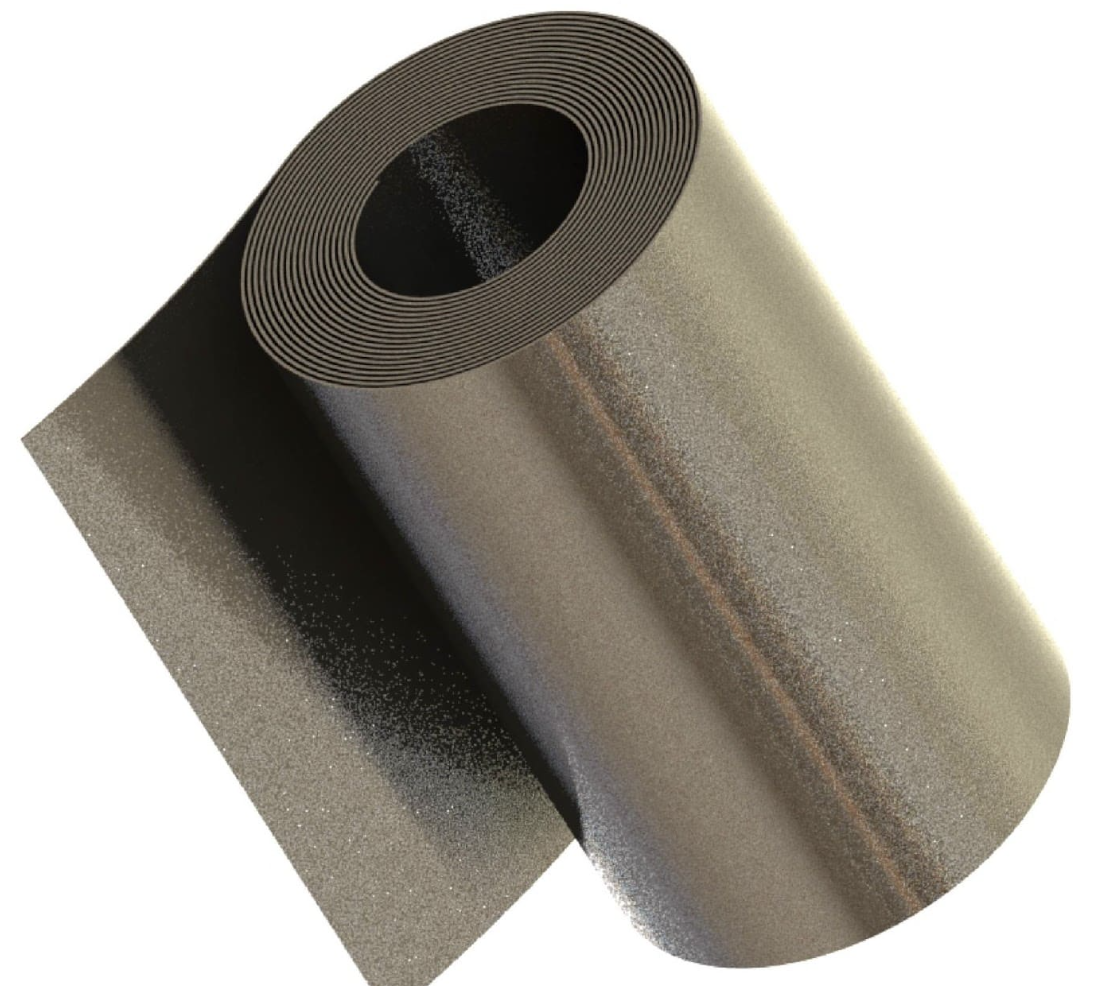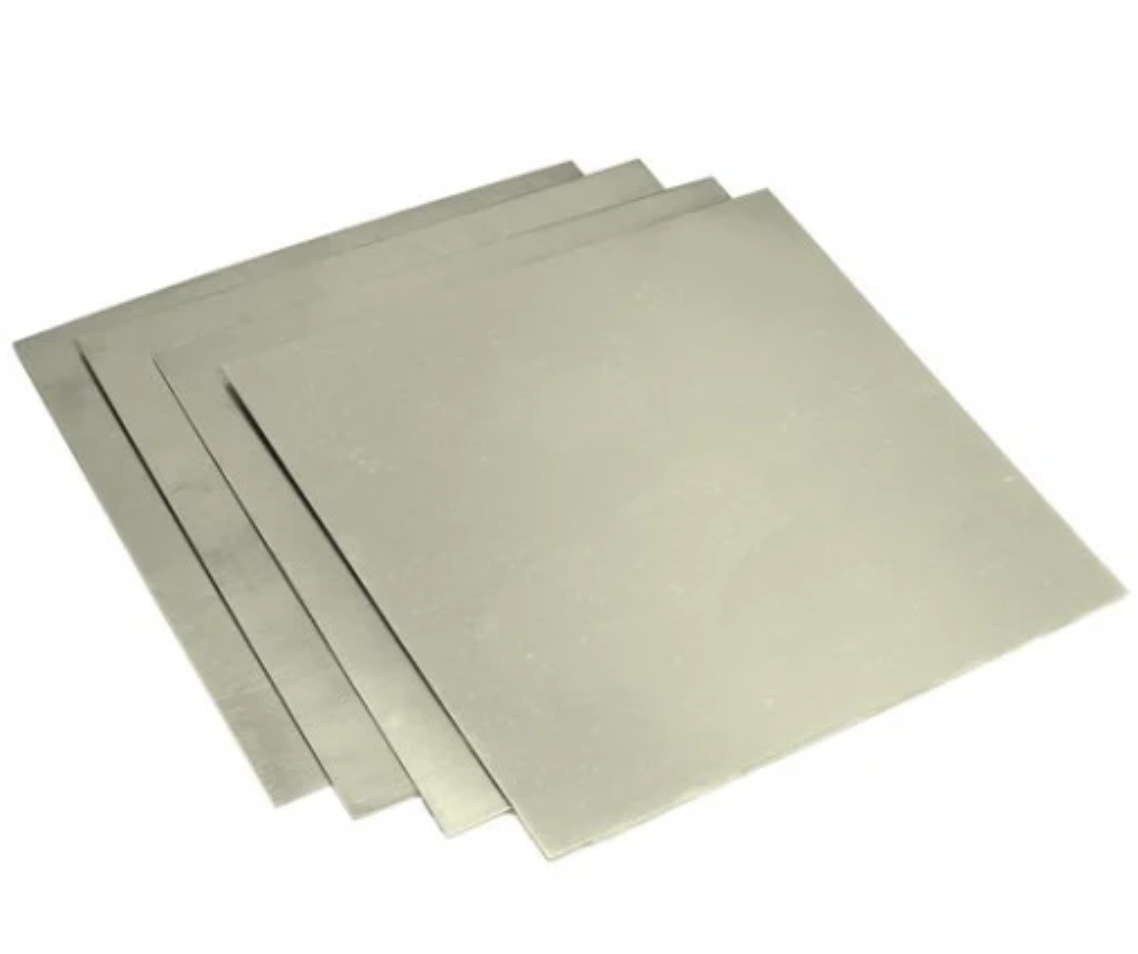
Why Do We Choose Nickel for Etched Components?


Nickel is an ideal material for photochemical etching due to its superior corrosion resistance, mechanical strength, and thermal/electrical conductivity. Among the key characteristics of nickel is its ability to resist corrosion through the formation of a passive oxide layer, which enhances its durability in harsh environments. It maintains its integrity during the etching process and supports complex, detailed designs without warping or material degradation, offering high resistance to oxidation, corrosion, and heat, making it ideal for applications that require resistance to high temperatures and corrosive conditions.


Key Advantages of Nickel:


>Corrosion Resistance – Performs in aggressive chemical and marine environments


>Mechanical Strength – High tensile strength in thin gauges, with superior mechanical properties such as enhanced durability and machinability


>Thermal & Electrical Conductivity – Ideal for electronic and RF applications


>Stability – Excellent resistance to thermal expansion and oxidation


Compared to stainless steel or copper, nickel offers greater stability and resistance to high temperatures and corrosive conditions, making it the go-to choice for components requiring long-term reliability.


The Application of Nickel and Nickel Alloys in Chemical Etching


Nickel and nickel alloys play a vital role in the chemical etching industry due to their excellent corrosion resistance, mechanical strength, and high-temperature stability. These properties make them particularly suitable for demanding applications in aerospace, automotive, electronics, medical devices, and energy sectors. Through photochemical etching, nickel-based materials can be manufactured into intricate, burr-free components with high dimensional precision, even in thin foils.


Etched nickel and nickel alloy parts are widely used in micro-electronic connectors, precision meshes, battery components, fuel cell plates, filtration elements, and medical surgical instruments. Nickel’s ability to withstand harsh chemical environments and maintain mechanical integrity ensures long-term reliability in critical systems. Alloys such as Inconel and Monel further extend the range of performance, offering superior resistance to oxidation, heat, and aggressive media.


Compared with mechanical processing, chemical etching of nickel materials provides greater design flexibility, consistent accuracy, and the ability to create fine and complex geometries without inducing stress. As industries continue to demand miniaturization and high performance, nickel and its alloys remain indispensable materials in advanced photochemical etching applications.

Get the latest price? We'll respond as soon as possible(within 12 hours)
Name Size Operate
Please submit your drawings to us. Files can be compressed into ZIP or RAR folder if they are too large.
We can work with files in format like pdf, sat, dwg, rar, zip, dxf, xt, igs, stp, step, iges, bmp, png, jpg, doc, xls, sldprt.