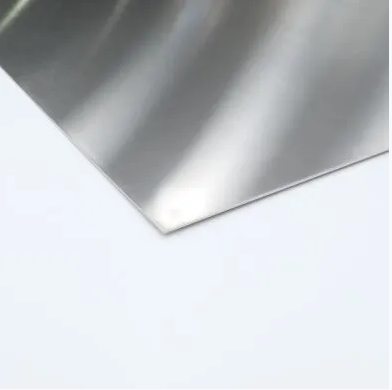
Types of Aluminum Alloys We Use
1100 1145 1235 2024 3003 4057 5051 5052 6061 6063 7075
Enquire us to discuss which aluminum alloy is suitable for you
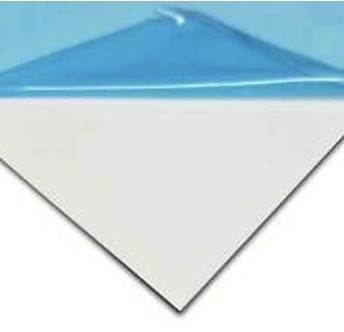
Aluminum is one of the most versatile and widely applied metals in modern manufacturing, prized for its lightweight performance, high strength-to-weight ratio, corrosion resistance, and excellent electrical conductivity.
Acted as one of the primary strong but lightweight materials used in industry, aluminum is important for applications where minimizing weight without sacrificing strength is critical. These properties make it a preferred selection as aluminum alloys are engineered to meet the demanding performance
standards of today’s industries, and their response to chemical etching, particularly photochemical machining (PCM)varies based on composition and alloy series.
Understanding these differences is essential for producing high-quality aluminum components with the precision and reliability required in sectors like aerospace, automotive, electronics, and medical devices.
The Application of Aluminum in Chemical Etching
Aluminum is an important material in the chemical etching industry thanks to its light weight, excellent thermal conductivity, and good corrosion resistance. Through photochemical etching, aluminum sheets can be processed into precise and complex patterns without introducing stress or deformation, which is especially valuable for industries requiring lightweight yet durable components.
Etched aluminum parts are commonly used in heat sinks, electronic housings, aerospace components, and decorative panels. In electronics, aluminum’s high thermal conductivity makes it ideal for cooling devices and shielding applications. In the automotive and aerospace sectors, etched aluminum parts help reduce overall weight while maintaining structural strength and precision. Additionally, the surface of aluminum can be anodized or finished after etching, further enhancing its performance and aesthetic qualities.
Compared with traditional stamping or machining, chemical etching of aluminum provides high accuracy, burr-free edges, and design flexibility, making it a cost-effective solution for both functional and decorative applications across multiple industries.