Metal Etching Manufacturer Answers Top Questions About Etchant Chemistry and Bath Management
Summary
This article addresses top questions about etchant chemistry and bath management in metal etching, with insights from DRAGON ETCHING TECHNOLOGY., LIMITED (DRAGON ETCHING). It explains that etchant chemistry—such as ferric chloride or cupric chloride—must be optimized for metal type and desired outcomes, with key parameters including concentration, temperature, and pH. Effective bath management involves monitoring dissolved metal buildup, using techniques like regeneration and filtration to maintain performance. Signs of degradation include color changes and longer etch times. Different metals require tailored chemistries, and safety measures are critical due to corrosivity. Optimizing bath life through closed-loop systems reduces waste and costs. Temperature control is essential for consistency. DRAGON ETCHING, a fast-growing provider with advanced facilities, specializes in customized etching for electronics, automotive, medical, and other industries, ensuring high precision and reliability through rigorous process control.
In the precision-driven world of chemical etching, maintaining optimal etchant chemistry and bath management is crucial for achieving consistent, high-quality results. As a leading metal etching manufacturer, DRAGON ETCHING TECHNOLOGY., LIMITED (DRAGON ETCHING) frequently field inquiries from clients across industries such as electronics, automotive, medical, and optics. This article addresses the most common questions about etchant chemistry and bath management, drawing on our technical expertise and years of experience.
What is Etchant Chemistry and Why Does It Matter?
Etchant chemistry refers to the chemical composition of the solution used to dissolve metal selectively during the etching process. Common etchants include ferric chloride (FeCl₃), cupric chloride, and nitric acid-based solutions. The choice of etchant depends on the metal type (e.g., stainless steel, copper, aluminum) and the desired etch rate, undercut, and surface finish. DRAGON ETCHING employs a rigorous selection process to match etchant chemistry to each project's specifications, ensuring optimal accuracy and repeatability.
Key Parameters in Etchant Chemistry
The performance of an etchant is governed by several parameters: concentration, temperature, pH, and specific gravity. For instance, ferric chloride concentration directly affects etch rate and sidewall profile. Too low a concentration slows etching and increases undercut; too high can cause excessive roughness. Temperature control is equally critical—higher temperatures accelerate etching but may degrade resist adhesion. DRAGON ETCHING's facilities maintain tight tolerances on these variables to guarantee consistent output.
undefined
How Do You Manage Etchant Bath Health?
Bath management involves monitoring and adjusting the etchant to maintain its effectiveness over time. As etching proceeds, dissolved metal ions accumulate, altering the solution's chemistry. This buildup reduces etch rate and can cause quality issues like non-uniform etching. DRAGON ETCHING uses a combination of analytical techniques, including titration and specific gravity measurements, to track bath composition and trigger replacement or regeneration as needed.
Common Bath Management Techniques
Regeneration: Adding chemicals to restore etchant activity (e.g., reoxidizing ferrous ions in cupric chloride baths).
Filtration: Removing particulates that can cause defects.
Temperature Control: Maintaining optimal temperature to stabilize etch rate.
At DRAGON ETCHING, we implement automated monitoring systems that provide real-time data, enabling proactive adjustments. This reduces downtime and ensures each batch meets stringent quality standards.
What Are the Signs of Bath Degradation?
Operators should watch for visible changes in etchant color, increased etch time, or inconsistent etching across the workpiece. For example, a ferric chloride bath that turns dark green indicates high copper loading. DRAGON ETCHING trains its personnel to recognize these signs and respond swiftly to avoid scrap. Our state-of-the-art facilities and rigorous quality control ensure that each component meets the highest standards of accuracy and reliability.
How Does Etchant Chemistry Affect Different Metals?
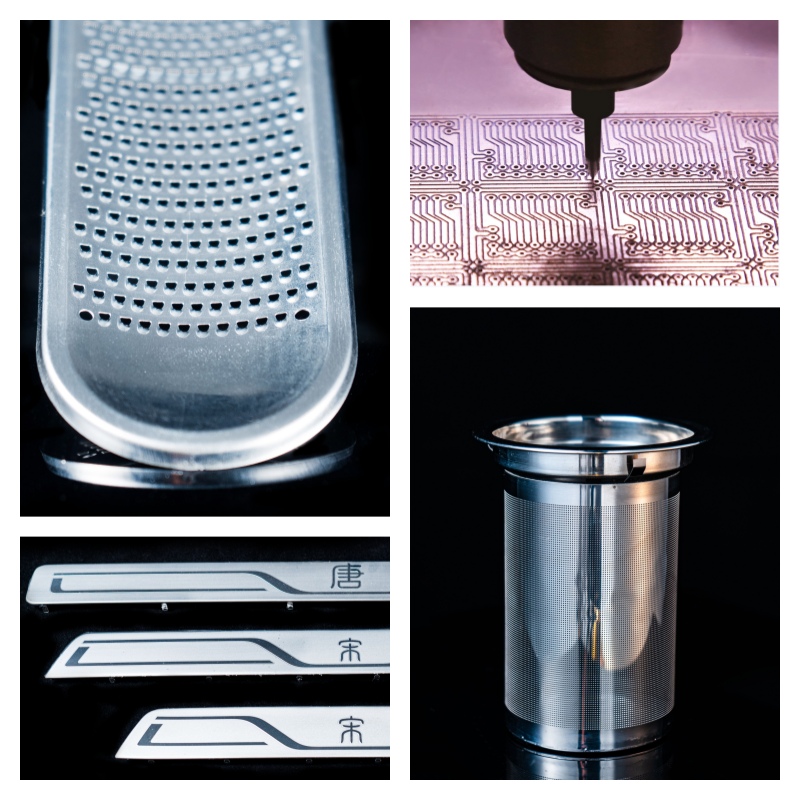
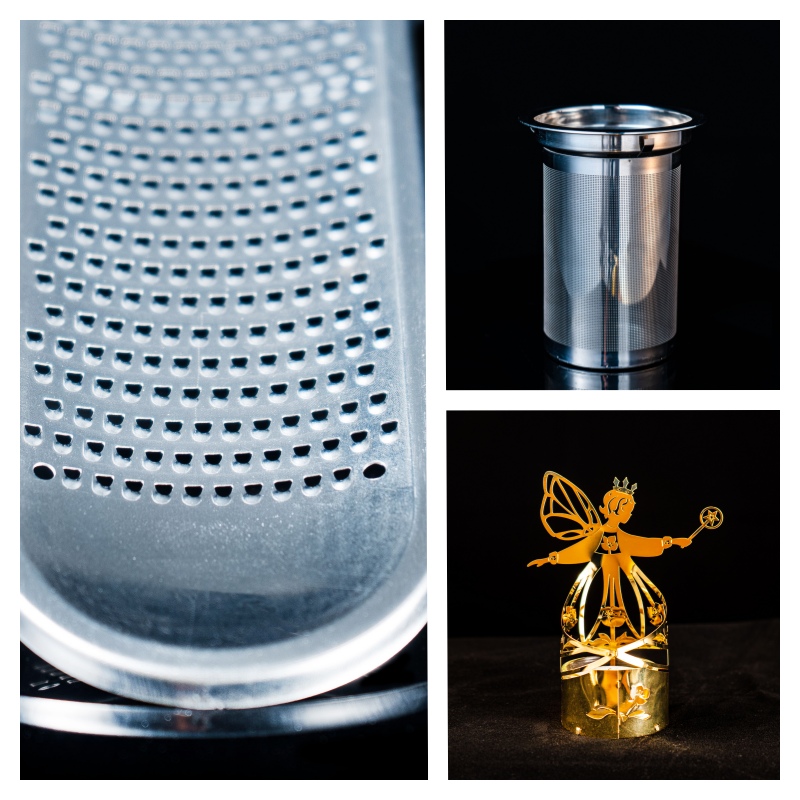
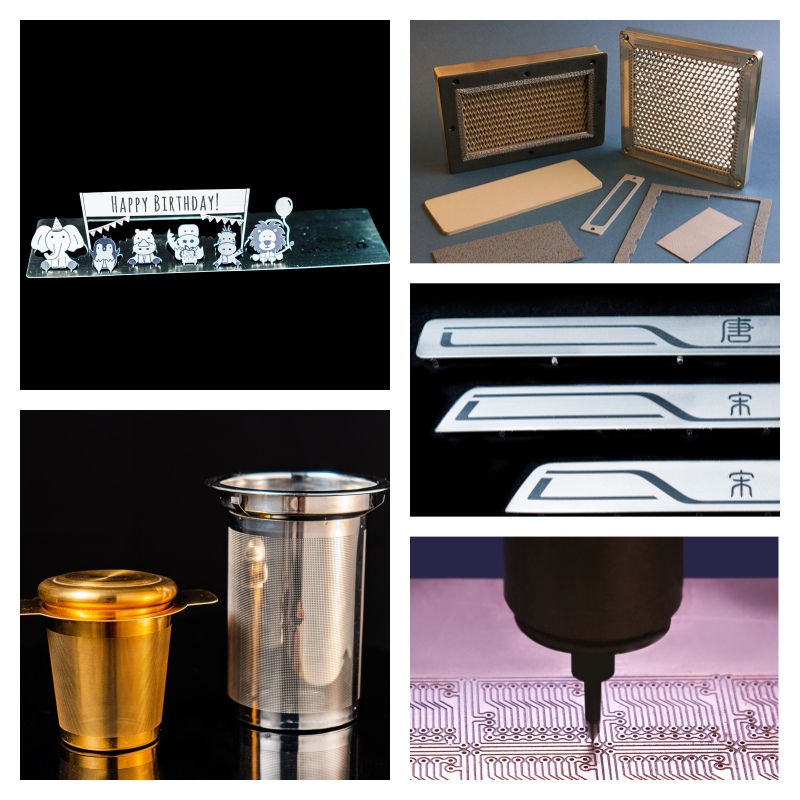
Different metals require tailored chemistries. For stainless steel, acidic etchants with strong oxidizing agents are common. Copper alloys often use ferric chloride or ammonium persulfate. Aluminum etching typically involves caustic or acidic solutions. DRAGON ETCHING specializes in customized solutions for a wide range of industries, including Electronics and Semiconductor, Optics & Filtration, Automotive & Industrial, Medical & Consumer Electronics, and Cultural and Customized Gift Applications. Our process engineers select etchant compositions that balance etch rate, undercut, and surface quality for each material.
What Safety Measures Are Critical for Etchant Handling?
Etchants are corrosive and require careful handling. Proper personal protective equipment (PPE), ventilation, and spill containment are mandatory. DRAGON ETCHING adheres to strict safety protocols, including automated dosing systems that minimize operator exposure. We also provide detailed safety data sheets and training to all personnel. At DRAGON ETCHING TECHNOLOGY, we pride ourselves on combining technical expertise, responsive service, and innovative processes to provide professional solutions that exceed client expectations and drive industry advancement.
How Can You Optimize Etchant Bath Life and Reduce Waste?
Extending bath life reduces chemical consumption and waste disposal costs. Strategies include maintaining optimal chemistry, using selective etching to minimize metal loading, and implementing regeneration techniques. DRAGON ETCHING employs closed-loop systems where possible, recycling chemicals and recovering metals. This not only lowers environmental impact but also enhances cost-efficiency for our clients.
What Role Does Temperature Play in Etchant Bath Management?
Temperature influences etch rate, bath stability, and resist integrity. Most etchants have an optimal temperature range—for ferric chloride, typically 40-50°C. DRAGON ETCHING uses precise heating and cooling systems to maintain uniformity within ±1°C across large baths. This control is vital for achieving tight tolerances required in industries like medical devices and semiconductor packaging.
Conclusion
Effective etchant chemistry and bath management are pillars of successful chemical etching. By understanding the science behind etchants and implementing robust monitoring and control practices, manufacturers can deliver consistent, high-quality metal parts. DRAGON ETCHING TECHNOLOGY., LIMITED is one of the fastest companies in the chemical etching industry, with years of experience and advanced technological capabilities. From prototype development to large-scale production, we work closely with our clients to transform complex designs into precise, functional metal parts. Whether you are new to etching or seeking to optimize your process, our team is ready to assist.
For more information about DRAGON ETCHING's capabilities or to discuss your next project, contact our technical team.