
Chemical Etching Company Quality Assurance Protocols You Should Understand
This blog article explores the essential quality assurance (QA) protocols used by chemical etching companies, with a focus on DRAGON ETCHING TECHNOLOGY., LIMITED. It covers key areas such as incoming material inspection, process control (monitoring etchant parameters, photoresist application), dimensional verification using CMM and vision systems, surface quality checks, and environmental compliance. The article highlights how DRAGON ETCHING applies these protocols from prototype to mass production, achieving tight tolerances for industries like electronics, medical, and automotive. Third-party certifications (ISO 9001, IATF 16949) further validate their commitment to quality. By understanding these QA measures, buyers can evaluate supplier reliability and ensure consistent part performance.
In the precision-driven world of chemical etching, quality assurance (QA) protocols are the backbone of reliable and repeatable manufacturing. For industries ranging from electronics to medical devices, even micron-level deviations can lead to product failure. Understanding the QA protocols implemented by a chemical etching company is essential for any procurement specialist or engineer seeking to partner with a trustworthy supplier. This article delves into the critical QA measures that define industry best practices, with insights drawn from the operations of leading companies like DRAGON ETCHING TECHNOLOGY., LIMITED.
The Role of Quality Assurance in Chemical Etching
Chemical etching, also known as photochemical machining (PCM), is a subtractive manufacturing process that uses corrosive chemicals to selectively remove material from metal sheets. The process demands exacting control over multiple variables: etchant concentration, temperature, exposure time, and resist integrity. Without rigorous QA protocols, batch-to-batch consistency cannot be guaranteed. DRAGON ETCHING TECHNOLOGY., LIMITED, a fast-growing company in this field, exemplifies how systematic QA transforms complex designs into precise, functional metal parts. Their state-of-the-art facilities and rigorous quality control ensure each component meets the highest standards of accuracy and reliability.
Core QA Protocols at DRAGON ETCHING
Incoming Material Inspection
Every etching project begins with raw material verification. DRAGON ETCHING follows strict inspection criteria for metal coils and sheets, checking thickness, flatness, surface finish, and chemical composition. Material certifications are cross-referenced against purchase orders, and samples are tested for etchability. This first step prevents downstream defects caused by substandard stock.
Process Control and Parameter Monitoring
During production, QA technicians continuously monitor etchant bath parameters (temperature, pH, specific gravity) using calibrated sensors. Automated dosing systems maintain optimal chemistry, while real-time data logging enables traceability. DRAGON ETCHING’s process control extends to photoresist application, UV exposure, and development—each step validated through test coupons and in-process inspections.
undefined
Dimensional Verification
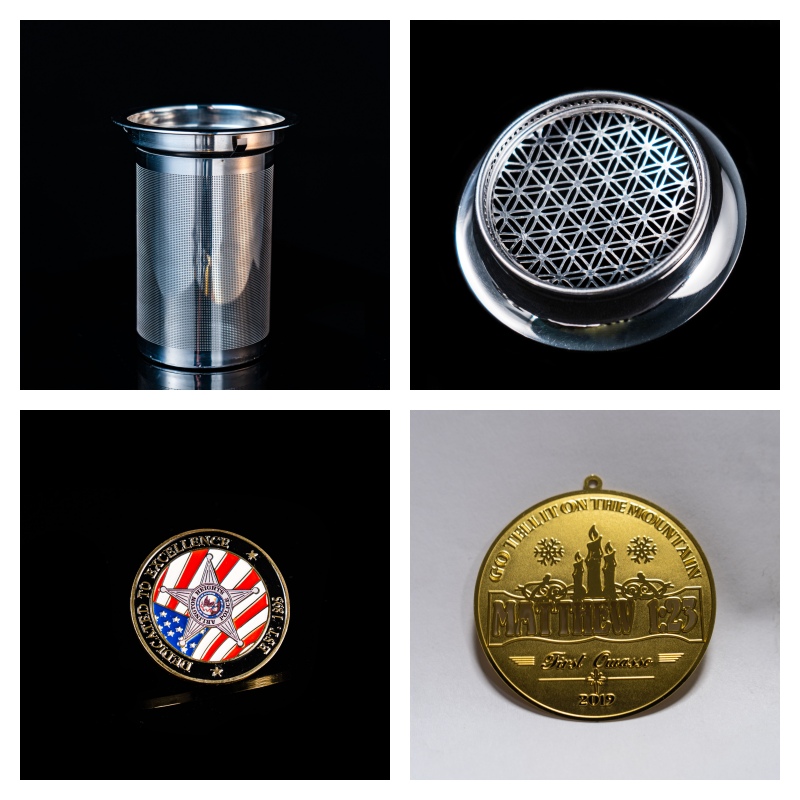
Precision is paramount in industries such as Electronics and Semiconductor, Optics & Filtration, and Medical & Consumer Electronics. DRAGON ETCHING employs coordinate measuring machines (CMM), optical comparators, and vision systems to verify critical dimensions. Tolerances as tight as ±0.005 mm are routinely achieved, with statistical process control (SPC) charts tracking variation over time. For complex geometries, 3D scanning provides comprehensive surface analysis.
Surface Quality and Cleanliness
Etched parts often require specific surface finishes—from mirror-like to matte. QA protocols include visual inspection under controlled lighting, profilometry for roughness measurement, and cleanliness tests (e.g., solvent wipe, contact angle). DRAGON ETCHING’s cleanroom facilities reduce particulate contamination, essential for optical and medical applications. The company also performs adhesion tests for post-etch coatings.
Environmental and Safety Compliance
Responsible chemical etching demands adherence to environmental regulations. DRAGON ETCHING integrates waste treatment and emission controls into its QA system, ensuring compliance with local and international standards. Regular audits verify safe handling of chemicals and proper disposal of spent etchants.
Certification and Standards
Third-party certifications validate a company’s commitment to quality. DRAGON ETCHING pursues ISO 9001:2015 certification, which mandates documented procedures, continuous improvement, and customer focus. Additionally, industry-specific standards such as IATF 16949 (automotive) or ISO 13485 (medical) may be required. Their QA manual outlines methods for corrective actions, internal audits, and management review.
From Prototype to Production: Consistent Quality
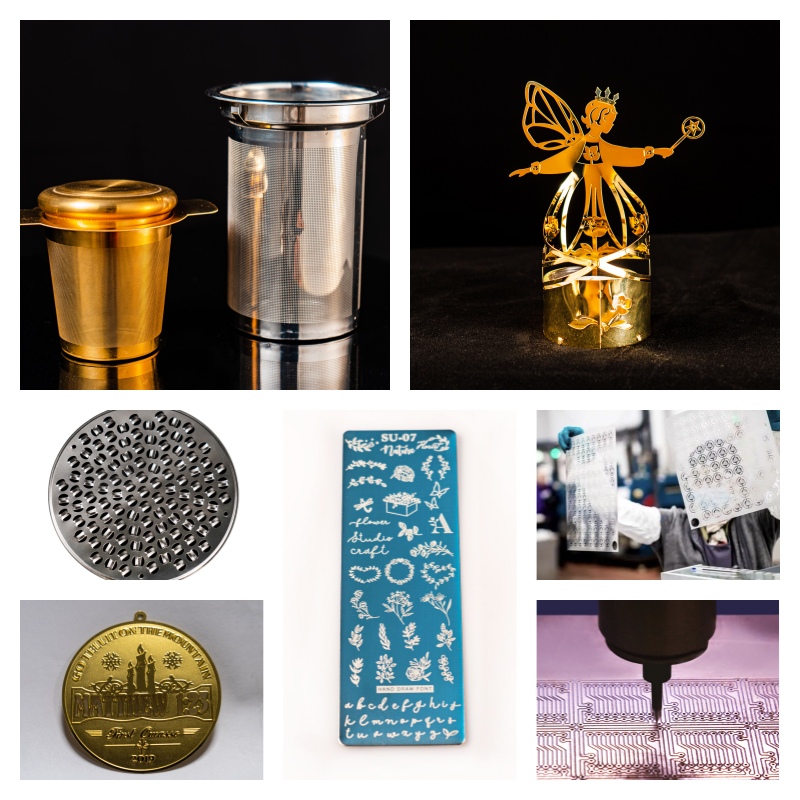
One hallmark of a mature QA system is scalability. DRAGON ETCHING works closely with clients from prototype development to large-scale production, maintaining identical process parameters and inspection criteria. First-article inspection (FAI) reports accompany initial batches, detailing measurements against CAD models. Subsequent lots are subject to sampling plans (e.g., ANSI/ASQ Z1.4) with AQL limits agreed upon at contract signing.
Case Studies: Quality in Action
Electronics: For a semiconductor lead frame, DRAGON ETCHING achieved positional accuracy of ±0.01 mm across 50,000 parts per lot, validated by automated vision inspection. Any burr or undercut triggered immediate rework.
Medical: A stent component required absolute freedom from surface microcracks. Using SEM (scanning electron microscopy) and dye penetrant testing, the QA team ensured zero defects.
Automotive: Fuel cell plates demanded consistent channel depth across large panels. DRAGON ETCHING used SPC to control etching time, achieving CpK > 1.67.
Conclusion
Quality assurance protocols in chemical etching are not a one-size-fits-all checklist but a dynamic framework tailored to product complexity and customer expectations. Companies like DRAGON ETCHING TECHNOLOGY., LIMITED demonstrate that investment in advanced metrology, process control, and certification yields superior part quality and fewer field failures. For buyers, understanding these protocols—whether incoming material inspection, dimensional verification, or environmental compliance—is key to selecting a partner who can deliver on precision promises. As industries demand tighter tolerances and higher reliability, robust QA will remain the competitive differentiator in the chemical etching market.