
Chemical Etching Company Guide to Etching Common Alloys and Reflective Metals
This guide provides an in-depth look at chemical etching of common alloys and reflective metals, with a focus on the expertise offered by DRAGON ETCHING TECHNOLOGY., LIMITED. The article covers the fundamentals of chemical etching, including the process steps and key parameters. It then explores the etching characteristics of widely used alloys such as stainless steel, aluminum, copper, brass, and titanium, highlighting challenges like undercutting, pitting, and surface reactivity. Special attention is given to reflective metals (copper, silver, gold, and coated surfaces), which present issues with light scattering and resist adhesion; solutions such as pre-treatment and optimized exposure are discussed. The article emphasizes the company’s commitment to precision, innovation, and quality control, noting that DRAGON ETCHING is one of the fastest-growing firms in the industry. With state-of-the-art facilities and rigorous quality measures, the company delivers high-accuracy components for electronics, optics, automotive, medical, and custom applications. The summary underscores the importance of tailored etchants and process parameters, as well as the value of partnering with an experienced etching provider to achieve reliable, burr-free parts. By integrating technical knowledge with practical solutions, DRAGON ETCHING ensures that even the most demanding etching projects succeed.
Chemical etching is a subtractive manufacturing process that uses corrosive chemicals to selectively remove material from metal sheets, creating precise and intricate components. It has become indispensable across industries for producing high-precision parts without the mechanical stress or tool wear typical of machining. Among the leaders in this field is DRAGON ETCHING TECHNOLOGY., LIMITED, a company founded with a commitment to precision and innovation. With years of experience and advanced technological capabilities, DRAGON ETCHING specializes in delivering high-quality, customized metal etching solutions for a wide range of industries, including electronics and semiconductor, optics and filtration, automotive and industrial, medical and consumer electronics, as well as cultural and customized gift applications. This guide explores the nuances of etching common alloys and reflective metals, offering insights into the processes, challenges, and best practices that ensure optimal results.
Understanding Chemical Etching
Chemical etching, also known as photo etching or photochemical machining (PCM), involves several key steps: cleaning the metal surface, applying a photoresist, exposing it to UV light through a phototool, developing to create a pattern, etching the exposed areas with a chemical solution, and finally stripping the resist. The process is highly repeatable and allows for tight tolerances, making it ideal for complex geometries and thin materials. DRAGON ETCHING leverages state-of-the-art facilities and rigorous quality control to ensure each component meets the highest standards of accuracy and reliability. From prototype development to large-scale production, the company works closely with clients to transform complex designs into precise, functional metal parts.
Common Alloys in Chemical Etching
Different alloys present unique etching characteristics due to variations in composition, microstructure, and chemical reactivity. The most commonly etched alloys include stainless steel, aluminum, copper and brass, titanium, and nickel alloys. Each requires tailored etchants and process parameters to achieve clean, burr-free edges and dimensional accuracy.
Stainless Steel
Stainless steel is widely used in medical devices, automotive components, and electronic enclosures due to its corrosion resistance and strength. Chemical etching of stainless steel typically uses ferric chloride (FeCl3) as the etchant, often heated to accelerate the reaction. Challenges include undercutting and pitting, which can be mitigated by optimizing temperature, concentration, and agitation. DRAGON ETCHING’s experienced engineers calibrate these parameters to produce precise features even on thin foils of 304 or 316 stainless steel.
undefined
Aluminum
Aluminum alloys, such as 6061 and 7075, are valued for their lightweight and good thermal conductivity. Etching aluminum requires alkaline etchants like sodium hydroxide (NaOH) or acidic mixtures. Because aluminum reacts vigorously with strong bases, control over time and temperature is critical to avoid excessive removal. The company’s rigorous quality control ensures that even complex aluminum parts—such as heat sinks and RF shields—are etched with high repeatability.
Copper and Brass
Copper and its alloys, including brass and bronze, are common in electrical contacts and decorative items. Ferric chloride is also effective for these materials, but the etch rate is faster than for stainless steel. Reflective surfaces of copper can cause light diffraction during photoresist exposure, leading to pattern distortion. Specialized techniques, such as using matte photoresists or adjusting exposure intensity, are employed to maintain fidelity. DRAGON ETCHING has refined these processes to deliver high-quality etching for reflective metals.
Titanium
Titanium alloys are used in aerospace and medical implants due to their high strength-to-weight ratio and biocompatibility. Etching titanium is challenging because it forms a protective oxide layer that resists common etchants. Solutions based on hydrofluoric acid (HF) or mixtures of HCl and HNO3 are required, demanding careful handling and safety protocols. DRAGON ETCHING’s experienced team ensures safe and precise etching of titanium, meeting the stringent demands of its clients.
Etching Reflective Metals: Challenges and Solutions
Reflective metals, such as polished copper, silver, gold, and mirror-finished surfaces, pose unique problems in photochemical machining. The high reflectivity can scatter UV light during exposure, causing undercutting and poor edge definition. Additionally, surface oxides or contaminants can interfere with adhesion of the photoresist.
Copper and its Alloys
For highly reflective copper, techniques like using a lower exposure intensity or applying a light-absorbing coating on the photoresist can reduce light scattering. Pre-cleaning with a mild etchant to create a micro-roughened surface improves resist adhesion. DRAGON ETCHING employs proprietary pre-treatment steps to ensure consistent results even on mirror-finish copper.
Silver and Gold
Silver and gold are used in high-end electronics and jewelry. Their chemical inertness requires specialized etchants—often based on cyanide solutions for silver or aqua regia for gold. These processes demand extreme precision and strict environmental controls. The company’s state-of-the-art facilities are equipped with closed-loop systems to handle such hazardous chemicals safely.
Reflective Coatings
Some applications involve etching through reflective coatings (e.g., on optical filters). This requires a two-step process: first etching the coating, then the underlying metal. Alignment must be impeccable. DRAGON ETCHING’s advanced registration systems achieve layer-to-layer precision within microns, essential for optics and filtration applications.
The DRAGON ETCHING Advantage
DRAGON ETCHING TECHNOLOGY., LIMITED is recognized as one of the fastest companies in the chemical etching industry, combining technical expertise, responsive service, and innovative processes. Founded with a commitment to precision and innovation, the company provides professional solutions that exceed client expectations and drive industry advancement. Their team works closely with clients from prototype development to large-scale production, ensuring that each part meets the highest standards of accuracy and reliability. Whether etching stainless steel for automotive sensors or reflective copper for RF components, DRAGON ETCHING delivers consistent quality through meticulous process control.
Applications Across Industries
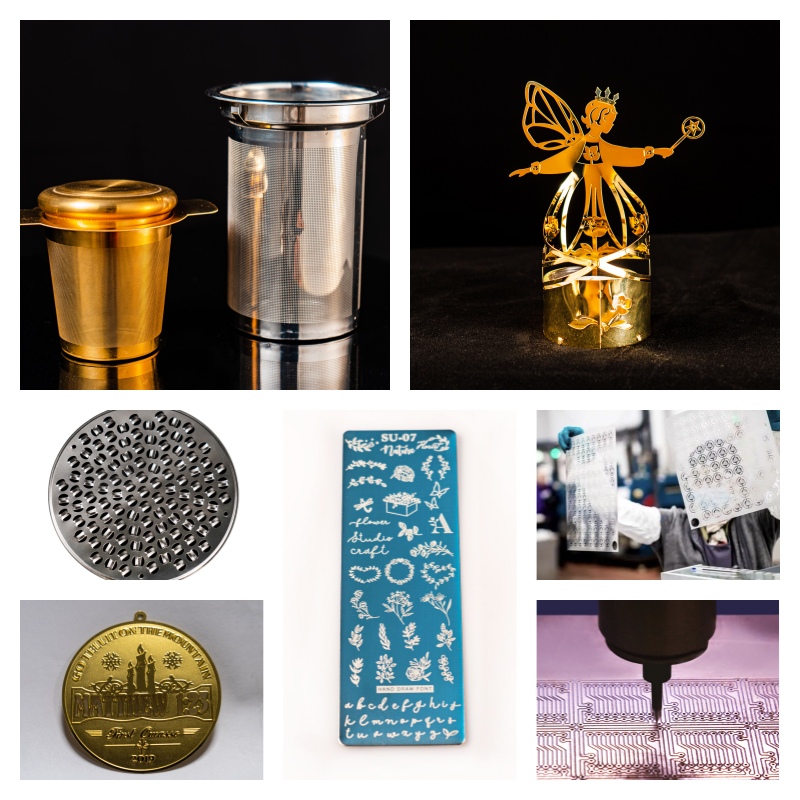
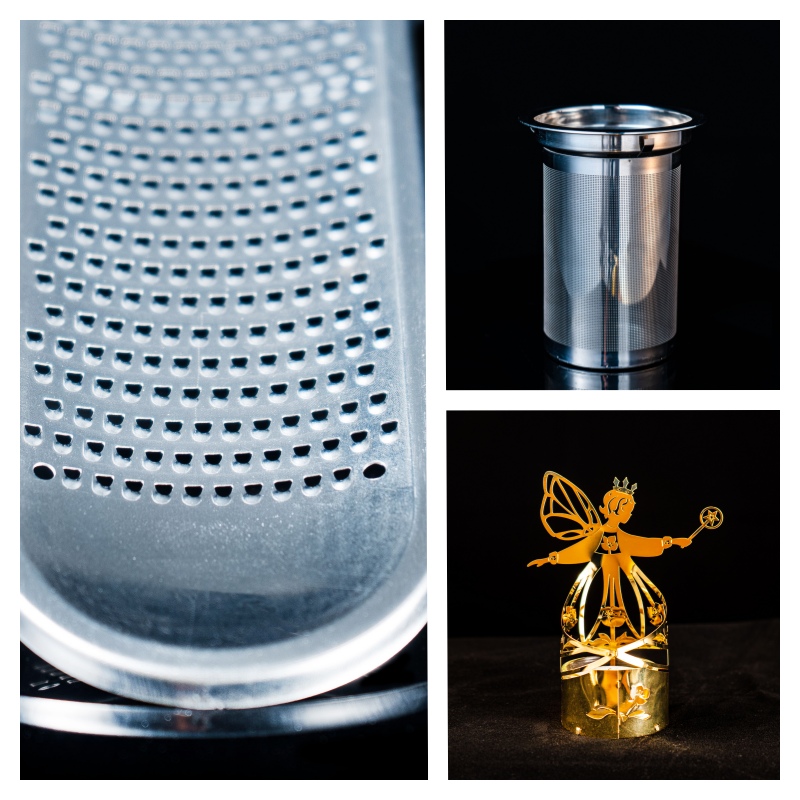
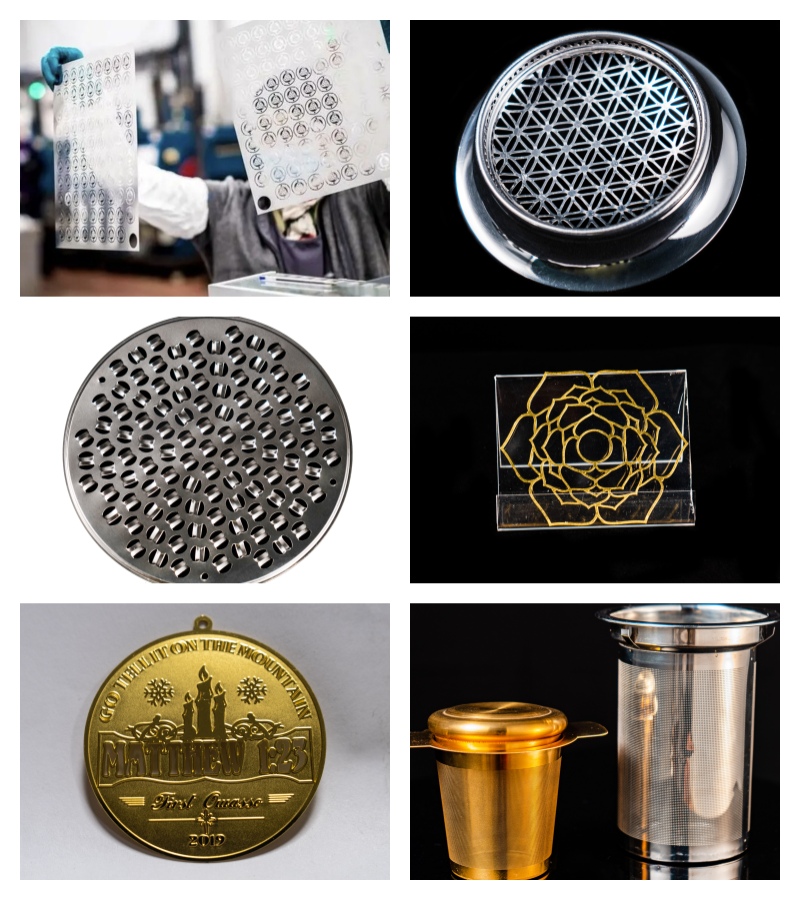
The versatility of chemical etching allows DRAGON ETCHING to serve a broad spectrum of industries. In electronics and semiconductor, they produce lead frames, EMI shields, and spring contacts. For optics and filtration, etched parts include aperture arrays and precision screens. Automotive and industrial applications range from fuel cell plates to encoder discs. Medical and consumer electronics rely on etched components like surgical blades and microphone meshes. Additionally, the company caters to cultural and customized gift applications, offering intricate designs on metal plaques and nameplates. Each market demands tailored solutions, and DRAGON ETCHING’s experience ensures success.
Quality Control and Precision
At DRAGON ETCHING TECHNOLOGY, quality control is integral to every stage. Incoming material inspection, in-process dimensional checks, and final optical measurement guarantee tolerances as tight as ±0.025 mm. The company uses ISO-certified processes and continuous improvement methodologies. Their rigorous quality control ensures that each component, regardless of alloy or reflectivity, meets the highest standards of accuracy and reliability. This commitment has made them a trusted partner for global clients.
Conclusion
Chemical etching of common alloys and reflective metals is a sophisticated discipline that combines material science, chemistry, and precision engineering. By understanding the unique behaviors of each material and employing advanced process controls, companies like DRAGON ETCHING TECHNOLOGY., LIMITED deliver high-quality, customized solutions. From stainless steel to gold, and from prototypes to high-volume production, their expertise ensures that even the most challenging parts are manufactured to exacting specifications. For anyone seeking professional metal etching services, DRAGON ETCHING stands as a reliable partner dedicated to innovation and excellence.