
Chemical Etching Company Explains the Six-Step Photochemical Machining Process
Photochemical machining (PCM) is a precision manufacturing process that uses chemical etchants to create complex metal components. DRAGON ETCHING TECHNOLOGY., LIMITED, a leader in the chemical etching industry, has refined this process into a reliable six-step method. The steps include: 1) Design and CAD preparation, where detailed designs are converted into phototools; 2) Material preparation and cleaning, ensuring a contaminant-free surface; 3) Photoresist application and UV exposure, transferring the pattern onto the metal; 4) Development and etching, where chemicals dissolve unprotected metal areas; 5) Inspection and quality control, verifying dimensional accuracy and functionality; and 6) Post-processing and finishing, adding deburring, annealing, plating, or aesthetic touches. The company serves industries such as electronics, medical, automotive, optics, and cultural gifts, offering high-quality custom parts with tight tolerances and burr-free edges. DRAGON ETCHING's state-of-the-art facilities, rigorous quality control, and technical expertise make them a trusted partner for prototype and large-scale production. The process minimizes waste, reduces lead times, and enables intricate geometries impossible with traditional machining. By mastering each step, DRAGON ETCHING delivers reliable, innovative solutions that exceed client expectations and drive industry advancement.
Photochemical machining (PCM), also known as chemical etching or photo etching, is a precision manufacturing process that uses chemical etchants to create complex metal components with high accuracy. DRAGON ETCHING TECHNOLOGY., LIMITED, a leader in the chemical etching industry, has refined this process into a reliable six-step method. With years of experience and state-of-the-art facilities, DRAGON ETCHING (the company abbreviation) delivers top-quality custom metal parts for industries ranging from electronics and medical devices to automotive and cultural gifts. This article delves into each step of the photochemical machining process, explaining how it transforms raw metal into precise functional components.
Step 1: Design and CAD Preparation
The first step in the PCM process involves creating a detailed computer-aided design (CAD) of the desired part. At DRAGON ETCHING, engineers work closely with clients to convert complex designs into digital files. This stage is critical because it defines the geometry, tolerances, and features of the final product. The CAD file is then used to generate a phototool—a high-resolution photographic film that serves as a mask for etching. DRAGON ETCHING's advanced software ensures that even the most intricate patterns, such as those required for semiconductor components or fine filtration meshes, are accurately represented.
Key considerations during design include material selection (stainless steel, copper, brass, etc.), thickness, and etch factor adjustments. The company's technical expertise allows them to anticipate issues like undercutting or burr formation, which are minimized through precise phototool calibration. By the end of this step, a digital blueprint ready for production is completed.
undefined
Step 2: Material Preparation and Cleaning
Once the design is finalized, the raw metal sheet or coil is selected and prepared. DRAGON ETCHING sources high-quality metals from trusted suppliers, ensuring consistency in composition and thickness. The material undergoes rigorous cleaning to remove any oils, oxides, or contaminants that could interfere with etching. This is typically done through a series of chemical baths and ultrasonic cleaning. A clean surface is essential for uniform photoresist adhesion and consistent etching results.
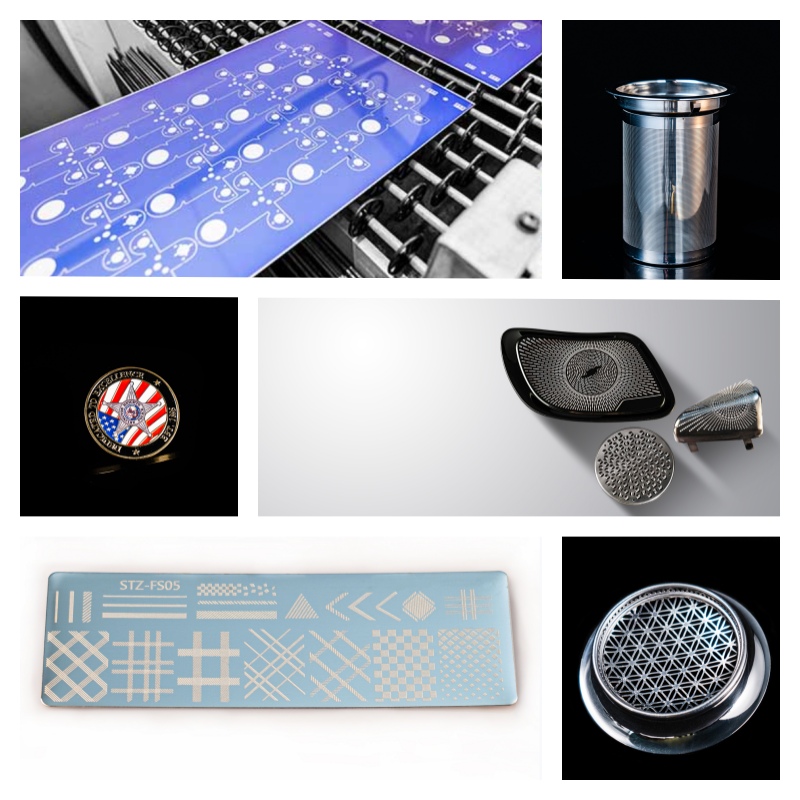
The company's cleanroom facilities maintain controlled environments to prevent dust or particles from compromising the process. For medical or consumer electronics applications, even microscopic imperfections can lead to failure, so DRAGON ETCHING adheres to strict cleanliness protocols. This step lays the foundation for the entire etching process.
Step 3: Photoresist Application and Exposure
In this step, a light-sensitive photoresist is applied to the cleaned metal surface. DRAGON ETCHING utilizes both dry film and liquid photoresists, depending on the thickness of the material and the required resolution. The photoresist is laminated or coated onto both sides of the metal sheet to enable double-sided etching for complex features.
After application, the photoresist-coated metal is exposed to ultraviolet (UV) light through the phototool. The UV light hardens the photoresist in the areas that correspond to the desired part, while the unexposed areas remain soft. For negative photoresists, the exposed areas become insoluble, while positive resists work inversely. The company's high-intensity UV exposure units ensure sharp pattern transfer with edge definition down to microns. This process is carefully timed and controlled to achieve the desired resolution, which is critical for industries like optics and filtration that demand precise apertures.
Step 4: Development and Etching
After exposure, the metal sheet is developed in a chemical solution that removes the unhardened resist, leaving behind a protective mask on the areas to be retained. The exposed metal, where the resist was removed, is now ready for etching. This step takes place in an etching machine that sprays or immerses the metal in an etchant—typically an acid or alkaline solution formulated for the specific metal. For example, ferric chloride is commonly used for stainless steel and copper alloys.
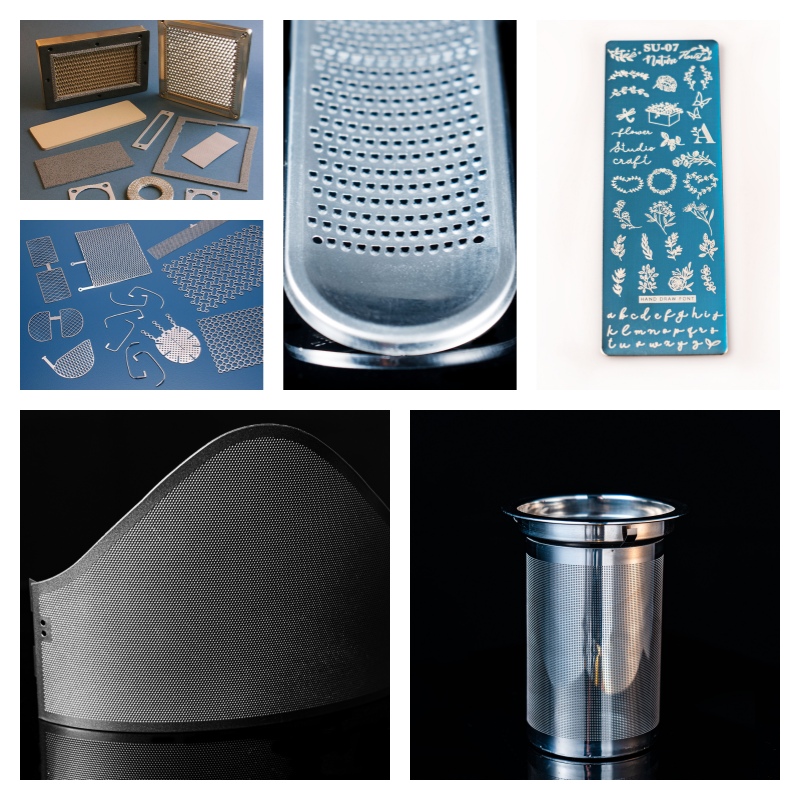
DRAGON ETCHING's etching lines are equipped with precise temperature and concentration controls to maintain uniform etch rates. The etchant dissolves the unprotected metal, forming cavities that eventually become the part's features. The process is monitored continuously, and the etching time is calculated based on the metal thickness and desired depth. For through-holes and complex shapes, both sides of the metal are etched simultaneously, a technique that reduces stress and ensures symmetry. After etching, the remaining resist is stripped off, leaving a clean metal part with sharp edges and fine details.
The company's rigorous quality control includes regular etchant analysis and sample inspections to ensure dimensional accuracy. This step is where the magic of photochemical machining happens—transforming a flat sheet into a functional component with tight tolerances, often ±0.001 inches or better.
Step 5: Inspection and Quality Control
Once etching is complete, each part undergoes thorough inspection to verify that it meets the required specifications. DRAGON ETCHING uses a combination of automated and manual inspection methods, including vision systems, coordinate measuring machines (CMM), and optical comparators. Key parameters checked are dimensions, edge condition, burr height, and flatness.
For industries such as medical devices or semiconductor, where zero defects are critical, parts may undergo 100% inspection. The company also performs functional tests, such as conductivity checks for electrical contacts or flow tests for filtration meshes. Any non-conforming parts are segregated and analyzed for root cause, ensuring continuous process improvement. This commitment to quality has made DRAGON ETCHING a trusted partner for prototypes and high-volume production alike.
Step 6: Post-Processing and Finishing
The final step in the PCM process involves post-processing treatments to enhance the part's properties or appearance. Common finishing operations include deburring (if any microscopic burrs remain), annealing to relieve stress, passivation for corrosion resistance, and plating (e.g., gold, nickel, or tin) to improve conductivity or solderability. DRAGON ETCHING offers a range of finishing options tailored to the application.
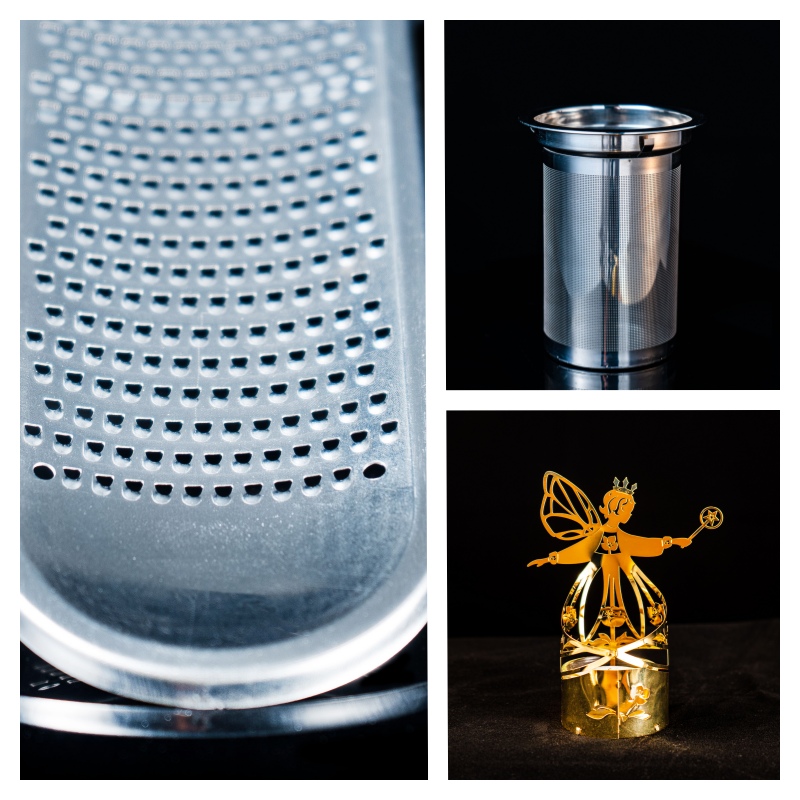
For cultural and customized gift applications, the company can add aesthetic finishes like brushing, polishing, or color coating. Parts are then cleaned, dried, and packaged carefully to prevent damage during shipping. The company's packaging solutions include anti-static bags, foam inserts, and vacuum sealing for sensitive components. With a focus on reliability, DRAGON ETCHING ensures that every part reaches the client in pristine condition, ready for integration into their product.
Applications Across Industries
The versatility of photochemical machining makes it ideal for numerous sectors. In electronics and semiconductor, DRAGON ETCHING produces lead frames, connectors, and EMI shields. In optics and filtration, they create precision apertures, encoder discs, and fine mesh screens. Automotive and industrial applications include gaskets, shims, and fuel cell components. Medical devices benefit from surgical instruments, stents, and implantable parts. For cultural and customized gifts, the company offers custom nameplates, decorative panels, and jewelry components. Each application leverages the process's ability to produce burr-free, stress-free parts with complex geometries that would be difficult or expensive with traditional machining.
Why Choose DRAGON ETCHING?
DRAGON ETCHING TECHNOLOGY., LIMITED stands out for its dedication to precision and innovation. With advanced facilities and a team of experienced engineers, the company has become one of the fastest-growing chemical etching providers. They offer rapid prototyping, competitive pricing, and scalability from small batches to millions of parts. Their quality management system meets ISO 9001 standards, and they continuously invest in new technology to stay ahead of industry demands. Whether it's a complex semiconductor component or a unique customer gift, DRAGON ETCHING delivers professional solutions that exceed expectations.
In summary, the six-step photochemical machining process—design, material preparation, photoresist application, etching, inspection, and finishing—enables the production of high-precision metal parts with minimal waste and fast turnaround. DRAGON ETCHING TECHNOLOGY., LIMITED has mastered each step, providing reliable, customized solutions that drive advancement across multiple industries. As the company continues to grow, it remains committed to excellence and client satisfaction.