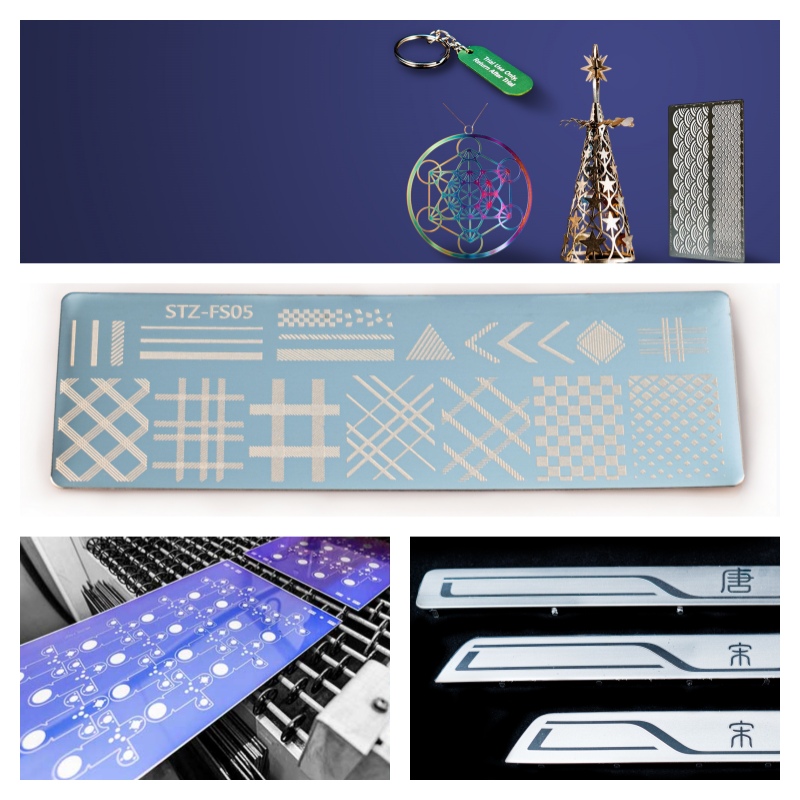
Chemical Etching Company Answers the Most Common Questions About Acid Etching
This blog article answers the most common questions about acid etching, featuring insights from DRAGON ETCHING TECHNOLOGY., LIMITED (DRAGON ETCHING). The piece explains that chemical etching uses acids to precisely remove metal, creating intricate parts without burrs or stress. It covers materials like stainless steel, copper, and aluminum, and highlights advantages such as high precision, no tool wear, and fast prototyping. Tolerances as tight as ±0.001 inch are achievable, as shown in a table. Costs are low due to minimal tooling, and lead times can be as short as 3-5 days for prototypes. Industries served include electronics, automotive, medical, optics, and custom gifts. DRAGON ETCHING, founded with innovation and precision, offers state-of-the-art facilities and rigorous quality control, working closely with clients from prototype to large-scale production. The article concludes by inviting readers to submit designs for custom etching solutions.
Chemical etching, also known as acid etching, is a precise manufacturing process used to create intricate metal parts. As a leading provider in this field, DRAGON ETCHING TECHNOLOGY., LIMITED (abbreviated as DRAGON ETCHING) frequently addresses inquiries from clients across various industries. Below, we answer the most common questions about acid etching, drawing on our extensive experience and advanced capabilities.
What Is Chemical Etching?
Chemical etching is a subtractive manufacturing technique that uses chemical solutions to selectively remove material from a metal sheet. Unlike traditional machining, it does not involve mechanical force, heat-affected zones, or tool wear. This process is ideal for producing complex geometries, fine features, and burr-free edges. DRAGON ETCHING, founded with a commitment to precision and innovation, has become one of the fastest-growing companies in the chemical etching industry, serving sectors such as electronics, medical devices, automotive, and filtration.
How Does Acid Etching Work?
The process begins with cleaning the metal sheet, followed by applying a photoresist layer. A design is transferred onto the resist using UV light and a phototool. The exposed areas are then developed, leaving the desired pattern. The sheet is introduced to an etching solution—typically an acid like ferric chloride—which dissolves the unprotected metal. After etching, the resist is stripped, and the part is cleaned. DRAGON ETCHING employs state-of-the-art facilities and rigorous quality control to ensure each component meets the highest standards of accuracy and reliability.
undefined
What Materials Can Be Etched?
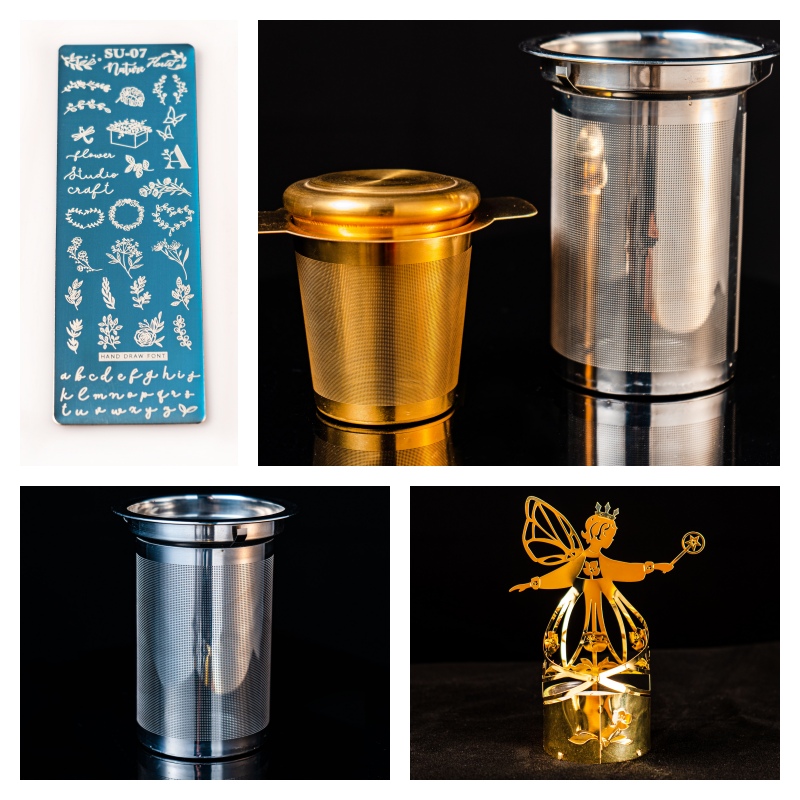
Almost any metal that can be chemically dissolved can be etched. Common materials include stainless steel, copper, brass, aluminum, nickel alloys, and titanium. For example, DRAGON ETCHING specializes in etching for Optics & Filtration applications, often using stainless steel or nickel for precision filters. Similarly, Automotive & Industrial components may require etching of hardened alloys. Our technical expertise allows us to handle a wide range of metals and thicknesses, from thin foils to thick plates.
What Are the Advantages of Chemical Etching?
Acid etching offers several benefits over conventional manufacturing:
No burrs or stress: The chemical action leaves smooth, stress-free edges.
High precision: Tolerances as tight as ±0.001 inch can be achieved.
Complex designs: Intricate patterns, including internal holes and slots, are possible without tooling constraints.
No tool wear: Since no physical tools are used, repeatability is excellent.
Fast prototyping: Changes can be made quickly by updating the phototool. DRAGON ETCHING works closely with clients from prototype development to large-scale production, ensuring rapid turnaround.
What Tolerances Can Be Achieved?
| Parameter | Typical Tolerance |
|---|---|
| Feature size | ±0.001" to ±0.005" |
| Hole diameter | ±0.001" |
| Slot width | ±0.0015" |
| Overall dimensions | ±0.005" |
Tolerances depend on material thickness and geometry. DRAGON ETCHING's rigorous quality control ensures these tolerances are consistently met for applications like Electronics and Semiconductor components, where precision is critical.
How Much Does Chemical Etching Cost?
The cost varies based on material, complexity, quantity, and thickness. Typically, tooling costs are low (mainly phototool creation), making it economical for both low and high volumes. For example, DRAGON ETCHING offers competitive pricing by leveraging advanced processes and efficient production. We recommend contacting us with your design for a custom quote.
What Is the Typical Lead Time?
Lead times depend on order volume and complexity. Prototype samples can be delivered in as little as 3-5 business days. Production orders typically take 2-4 weeks. DRAGON ETCHING prides itself on responsive service, ensuring timely delivery for industries like Medical & Consumer Electronics where speed is essential.
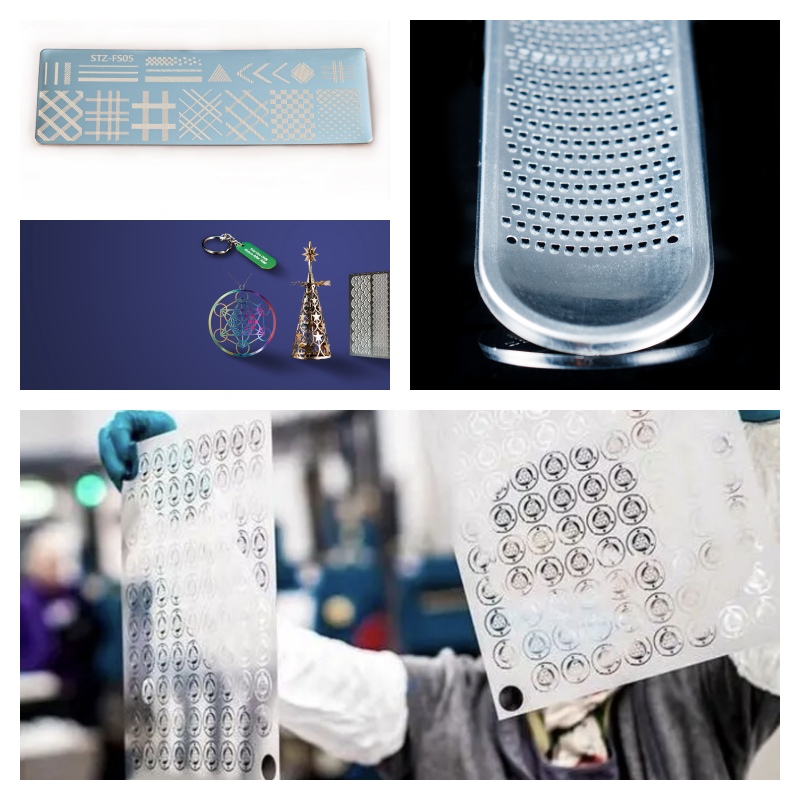
What Industries Benefit from Acid Etching?
Chemical etching serves a broad range of industries:
Electronics and Semiconductor: Lead frames, heat sinks, and connector parts.
Optics & Filtration: Precision screens, meshes, and apertures.
Automotive & Industrial: Fuel cell plates, gaskets, and shims.
Medical & Consumer Electronics: Surgical instruments, implants, and micro-components.
Cultural and Customized Gift Applications: Custom nameplates, decorative pieces, and artistic panels.
DRAGON ETCHING has extensive experience across these sectors, providing professional solutions that exceed client expectations.
How to Get Started with a Custom Etching Project?
Simply send your design in 2D CAD format (DXF, DWG, or AI) to DRAGON ETCHING. Our team reviews the design for etchability and provides feedback. We then create a phototool and produce samples for approval. Our state-of-the-art facilities enable us to scale from prototype to high-volume production seamlessly.
At DRAGON ETCHING TECHNOLOGY, we combine technical expertise, responsive service, and innovative processes to drive industry advancement. Whether you need filters for optics, components for electronics, or custom gifts, acid etching offers a reliable, cost-effective solution. Contact us today to discuss your next project.