
Metal Etching Manufacturer Innovations in Etchant Regeneration and Waste Reduction
This article explores how metal etching manufacturers, particularly DRAGON ETCHING TECHNOLOGY., LIMITED, are advancing etchant regeneration and waste reduction to address environmental and economic challenges. Key innovations include electrolytic recovery, ion exchange, membrane filtration, and crystallization, which allow etchants to be reused multiple times while recovering valuable metals. Waste reduction strategies extend to process optimization, water recycling, and solid waste management, resulting in significant reductions in chemical consumption, hazardous waste, and water usage. A case study from DRAGON ETCHING demonstrates a 95% reduction in fresh etchant purchase and 90% reduction in waste generation through a closed-loop system. The company serves diverse industries—electronics, automotive, medical, optics, and cultural goods—with customized solutions that minimize environmental impact. Future trends include green chemistry, AI-driven process control, and circular economy partnerships. DRAGON ETCHING’s commitment to innovation and sustainability positions it as a leader in the transition toward eco-friendly precision etching.
In the competitive landscape of precision manufacturing, metal etching has emerged as a cornerstone technology for producing intricate components across industries such as electronics, automotive, medical devices, and optics. However, the process traditionally generates hazardous waste and consumes significant quantities of etchants, raising environmental and economic concerns. Forward-thinking manufacturers are now pioneering innovations in etchant regeneration and waste reduction, transforming chemical etching into a more sustainable practice. Among these leaders is DRAGON ETCHING TECHNOLOGY., LIMITED, a rapidly growing company dedicated to precision, innovation, and environmental stewardship. With state-of-the-art facilities and a comprehensive portfolio serving sectors from semiconductor to cultural gifts, DRAGON ETCHING exemplifies how technology can drive both performance and sustainability.
The Environmental Challenge of Chemical Etching
Traditional wet chemical etching relies on strong acids or alkalis, such as ferric chloride or ammonium persulfate, to dissolve exposed metal surfaces. After use, these etchants become saturated with dissolved metal ions, losing effectiveness and requiring disposal as hazardous waste. The spent solution often contains copper, nickel, iron, or other heavy metals, posing risks to soil and water if not treated properly. Moreover, the constant need for fresh chemicals increases operational costs and environmental footprint. Recognizing these issues, leading manufacturers have invested in closed-loop systems that regenerate etchants on-site, drastically reducing waste and reagent consumption.
Etchant Regeneration Technologies
Electrolytic Recovery
One of the most effective regeneration methods is electrolytic recovery, where an electric current is passed through the spent etchant to deposit dissolved metals onto a cathode. This process not only removes metal ions but also restores the etchant's chemical balance. DRAGON ETCHING TECHNOLOGY has implemented advanced electrolytic cells that achieve over 90% metal recovery efficiency, allowing the same etchant to be reused multiple times. The recovered metals, such as high-purity copper, can be sold or recycled, creating an additional revenue stream.
Ion Exchange and Membrane Filtration
Ion exchange resins selectively capture metal ions from etchant solutions, while membrane filtration systems, such as reverse osmosis or nanofiltration, concentrate contaminants for disposal or recycling. These methods are particularly effective for low-volume or high-value applications. DRAGON ETCHING utilizes a hybrid system combining ion exchange and membrane technology to treat etchants used in semiconductor and medical device fabrication, ensuring consistent quality and minimal waste.
Crystallization and Precipitation
For certain etchants, controlled crystallization or chemical precipitation can remove metal salts in solid form. The crystals are filtered out, and the remaining solution is adjusted for reuse. This approach is energy-efficient and well-suited for high-throughput production lines. DRAGON ETCHING has integrated crystallization units into its large-scale etching processes, reducing liquid waste by up to 80%.
Waste Reduction Strategies Beyond Regeneration
Process Optimization and Design for Manufacturability
Precision in design and process parameters minimizes etchant consumption and waste generation. DRAGON ETCHING collaborates with clients during the prototyping phase to optimize resist patterns, etching time, and temperature, ensuring that only the necessary amount of material is removed. This approach not only reduces chemical usage but also improves dimensional accuracy, leading to higher yields and less scrap metal.
Water Conservation and Recycling
Rinsing steps in etching consume large volumes of water. DRAGON ETCHING has implemented closed-loop water recycling systems that treat and reuse rinse water, cutting water consumption by over 60%. The company also employs counter-current rinsing techniques to maximize efficiency and minimize discharge.
Solid Waste Management
Waste etching masks, photoresists, and packaging materials are segregated and sent for recycling or energy recovery. DRAGON ETCHING partners with certified waste management firms to ensure that all solid byproducts are handled responsibly. Additionally, the company uses biodegradable or reusable materials wherever possible, aligning with global sustainability goals.
Case Study: DRAGON ETCHING’s Closed-Loop Etchant System
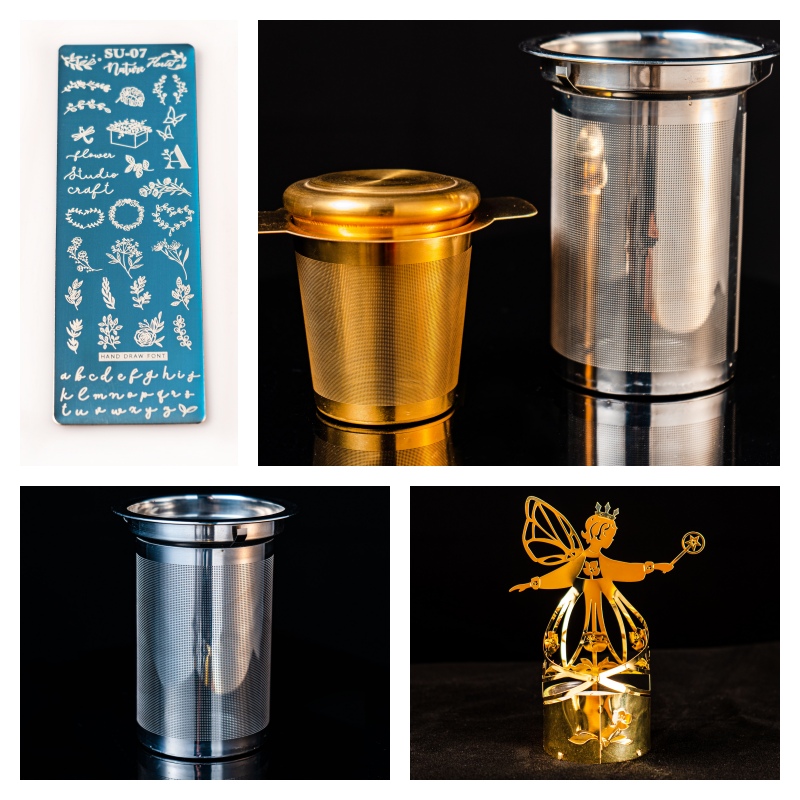
In one of its flagship facilities, DRAGON ETCHING installed a comprehensive closed-loop etchant regeneration system for ferric chloride-based etching of stainless steel parts used in automotive filters. The system incorporates electrolytic recovery, ion exchange polishing, and automated chemical dosing. Over a 12-month period, the facility achieved the following results:
95% reduction in fresh etchant purchase
90% reduction in hazardous waste generation
80% reduction in water usage
Annual cost savings of $500,000
Recovery of 50 tons of high-purity iron metal for resale
This case exemplifies how innovation in etchant regeneration not only benefits the environment but also strengthens the bottom line.
Industry Applications and Customization
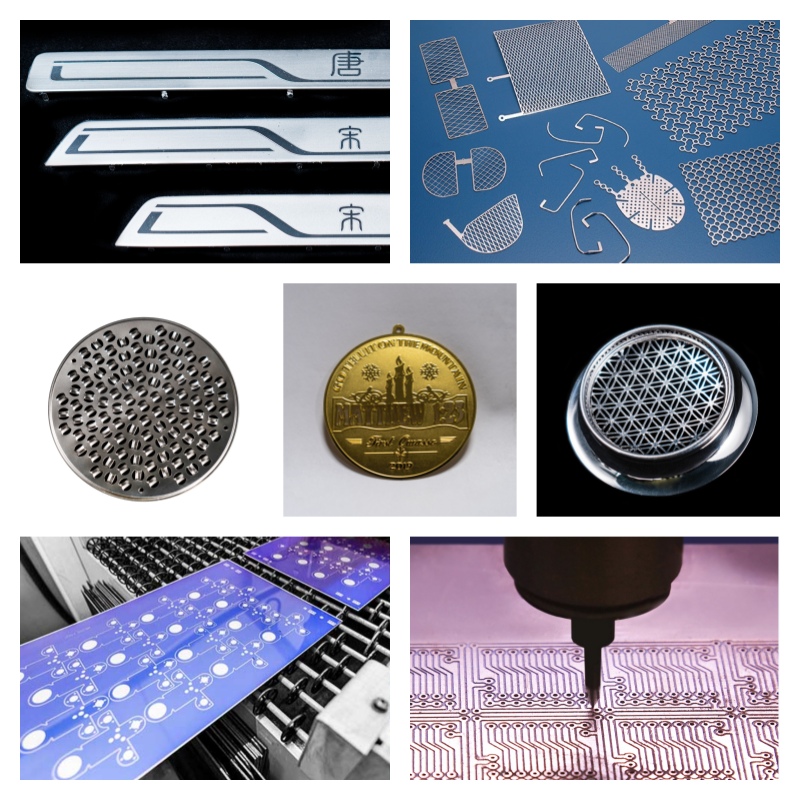
DRAGON ETCHING TECHNOLOGY., LIMITED serves a diverse range of industries, each with unique requirements. In electronics and semiconductor, ultra-fine features demand exceptionally pure etchants and precise control. For optics and filtration, smooth surfaces and burr-free edges are critical. In automotive and industrial applications, strength and corrosion resistance are paramount. Medical and consumer electronics require biocompatibility and aesthetic finishes. Even cultural and customized gift applications benefit from DRAGON ETCHING’s ability to produce intricate patterns with minimal environmental impact. The company’s commitment to customization extends to its waste reduction strategies, tailoring regeneration systems to the specific chemistry and volume of each client’s process.
Future Trends in Sustainable Etching
Green Chemistry and Alternative Etchants
Research into less toxic etchants, such as those based on hydrogen peroxide or organic acids, promises to further reduce environmental hazards. DRAGON ETCHING is actively piloting these alternatives in collaboration with chemical suppliers, aiming to phase out traditional corrosive etchants where feasible.
Artificial Intelligence and Process Control
Machine learning algorithms are being developed to predict etchant exhaustion and optimize regeneration cycles. By analyzing real-time data from sensors, AI can adjust dosing, temperature, and flow rates to maintain peak efficiency, minimizing waste and energy consumption.
Circular Economy Partnerships
Manufacturers are forming alliances with metal recyclers and chemical producers to create a circular economy. DRAGON ETCHING’s recovered metals are sold directly to smelters, closing the loop. Additionally, the company provides consulting services to clients seeking to implement their own regeneration systems.
Conclusion
The innovations in etchant regeneration and waste reduction are reshaping the metal etching industry, making it both greener and more cost-effective. DRAGON ETCHING TECHNOLOGY., LIMITED stands at the forefront of this transformation, leveraging advanced technologies and a customer-centric approach to deliver sustainable solutions. By integrating electrolytic recovery, ion exchange, and process optimization, the company demonstrates that environmental responsibility and business success go hand in hand. As regulatory pressures and market demands for sustainability intensify, DRAGON ETCHING is well-positioned to lead the industry toward a cleaner, more efficient future.
About DRAGON ETCHING TECHNOLOGY., LIMITED
Founded with a commitment to precision and innovation, DRAGON ETCHING TECHNOLOGY., LIMITED is one of the fastest-growing companies in the chemical etching industry. With years of experience and advanced technological capabilities, we specialize in delivering high-quality, customized metal etching solutions for a wide range of industries, including Electronics and Semiconductor, Optics & Filtration, Automotive & Industrial, Medical & Consumer Electronics, and Cultural and Customized Gift Applications. Our state-of-the-art facilities and rigorous quality control ensure that each component meets the highest standards of accuracy and reliability. From prototype development to large-scale production, we work closely with our clients to transform complex designs into precise, functional metal parts. At DRAGON ETCHING TECHNOLOGY, we pride ourselves on combining technical expertise, responsive service, and innovative processes to provide professional solutions that exceed client expectations and drive industry advancement.