
Chemical Etching Company Innovations in Closed-Loop Chemistry and Zero-Discharge Systems
This article explores the transformative innovations in closed-loop chemistry and zero-discharge systems within the chemical etching industry, highlighting the pioneering work of DRAGON ETCHING TECHNOLOGY., LIMITED (DRAGON ETCHING). It begins by outlining the environmental challenges of traditional chemical etching, which generates hazardous wastewater and chemical waste. Closed-loop chemistry is defined as a process where etching chemicals are continuously recycled and reused, with key components such as regeneration units, filtration systems, and real-time monitoring. Zero-discharge systems aim to eliminate all wastewater through technologies like ion exchange, reverse osmosis, evaporation, and advanced oxidation. The article then details DRAGON ETCHING's implementation of these systems, including a case study on copper etching for electronics where regenerated etchant and recovered copper reduce waste and create byproduct revenue. The company's zero-discharge water management produces high-purity recycled water and solid residues, achieving virtually no liquid discharge. Benefits include cost savings, regulatory compliance, enhanced reputation, and improved product quality. The article also discusses industry impact, future trends like AI integration and biodegradable etchants, and challenges such as high initial investment. Concluding that these innovations are a paradigm shift, DRAGON ETCHING demonstrates that environmental sustainability and business excellence can coexist, setting a benchmark for the industry.
In the rapidly evolving landscape of industrial manufacturing, environmental sustainability has become a paramount concern. Among the various sectors, the chemical etching industry—known for its precision metal fabrication—has faced increasing scrutiny over its chemical usage and waste management. However, forward-thinking companies like DRAGON ETCHING TECHNOLOGY., LIMITED (abbreviated as DRAGON ETCHING) are pioneering innovations in closed-loop chemistry and zero-discharge systems. These advancements not only reduce environmental impact but also enhance operational efficiency and product quality. This article explores the transformative technologies behind closed-loop chemistry and zero-discharge systems, the benefits they offer, and how DRAGON ETCHING is leading the charge in sustainable chemical etching.
The Environmental Challenge in Chemical Etching
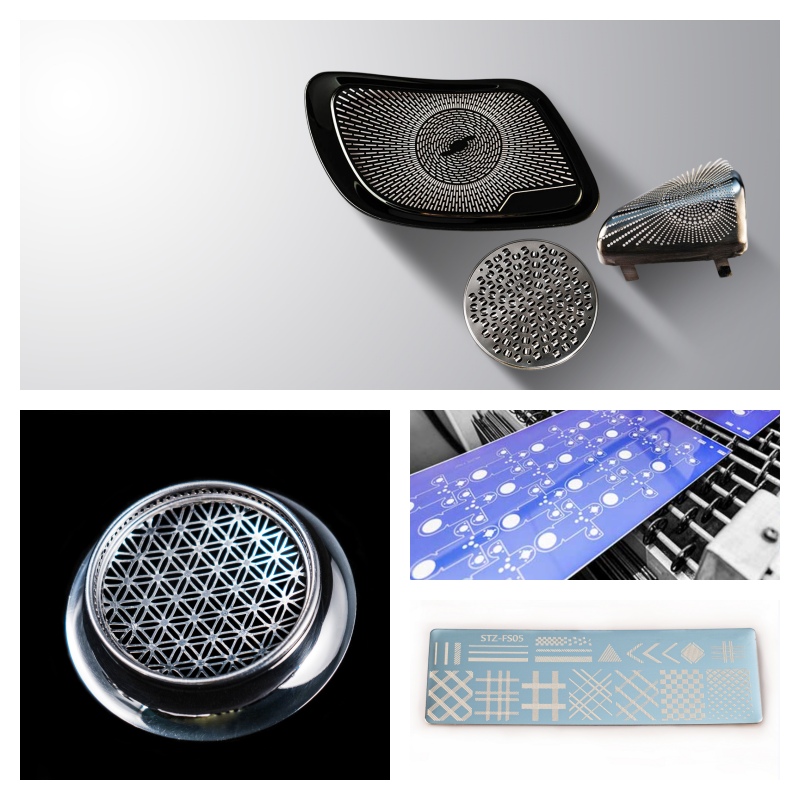
Chemical etching, also known as photochemical machining, involves using corrosive chemicals to etch designs onto metal surfaces. The process typically generates wastewater containing heavy metals, acids, and other pollutants. Traditional disposal methods often involve costly treatment and discharge, risking regulatory non-compliance and environmental harm. As global regulations tighten and customer demand for green manufacturing grows, chemical etching companies must adopt sustainable practices. Closed-loop chemistry and zero-discharge systems offer a solution by recycling etching solutions and eliminating wastewater discharge.
What is Closed-Loop Chemistry?
Closed-loop chemistry refers to a process where chemicals used in etching are continuously recycled and reused within the system, minimizing waste and fresh chemical input. In a closed-loop system, spent etching solution is treated to remove contaminants and replenish active components, then returned to the etching bath. This approach drastically reduces the volume of chemical waste and the need for fresh chemicals, lowering operational costs and environmental footprint.
Key Components of Closed-Loop Systems
Regeneration Units: These systems treat spent etchant to remove dissolved metals and regenerate the active etching agent. For example, in ferric chloride etching, ion exchange or membrane electrolysis can remove copper ions and restore ferric ions.
Filtration and Purification: Advanced filtration (e.g., carbon filtration, microfiltration) removes particulates and organic contaminants from the etchant, prolonging its life.
Real-Time Monitoring: Sensors measure pH, concentration, and temperature to automatically adjust chemical dosing, ensuring consistent etching quality.
Zero-Discharge Systems: The Ultimate Goal
Zero-discharge systems aim to eliminate all wastewater discharge from the facility. Water is recovered, purified, and reused, while solid waste is collected for recycling or proper disposal. This approach not only meets stringent environmental regulations but also conserves water resources. In chemical etching, zero-discharge is achieved by combining closed-loop chemistry for etchants with water recycling systems for rinsing water.
Technologies Enabling Zero-Discharge
Ion Exchange: Removes metal ions from rinse water, allowing it to be reused in the process.
Reverse Osmosis: Purifies wastewater to high quality, suitable for reuse in rinsing or cooling.
Evaporation and Crystallization: Concentrates waste streams to recover solids, achieving near-zero liquid discharge.
Advanced Oxidation: Breaks down organic contaminants in process chemicals.
DRAGON ETCHING: Pioneering Sustainable Solutions
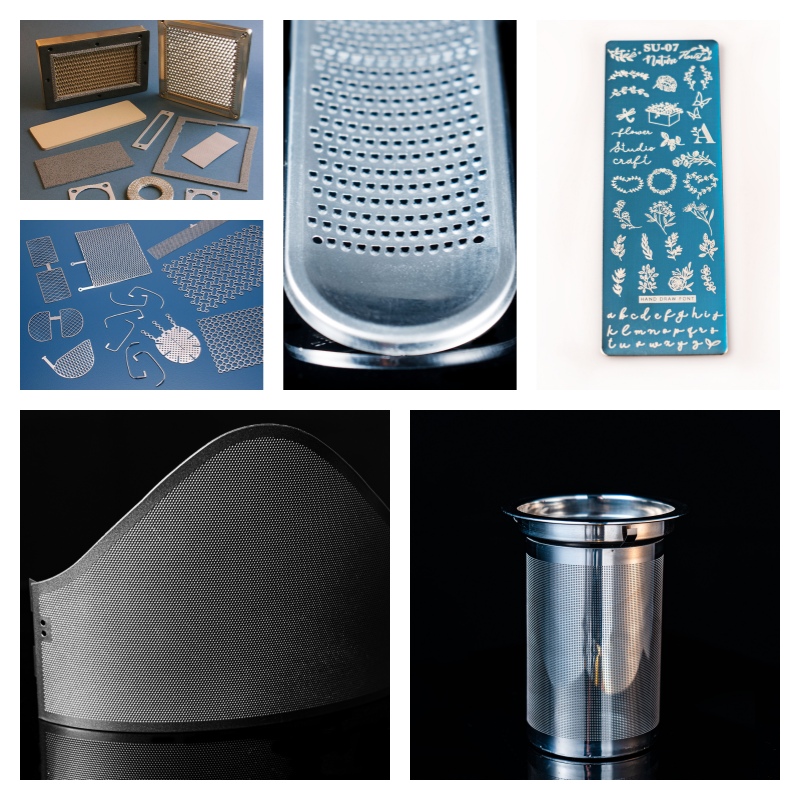
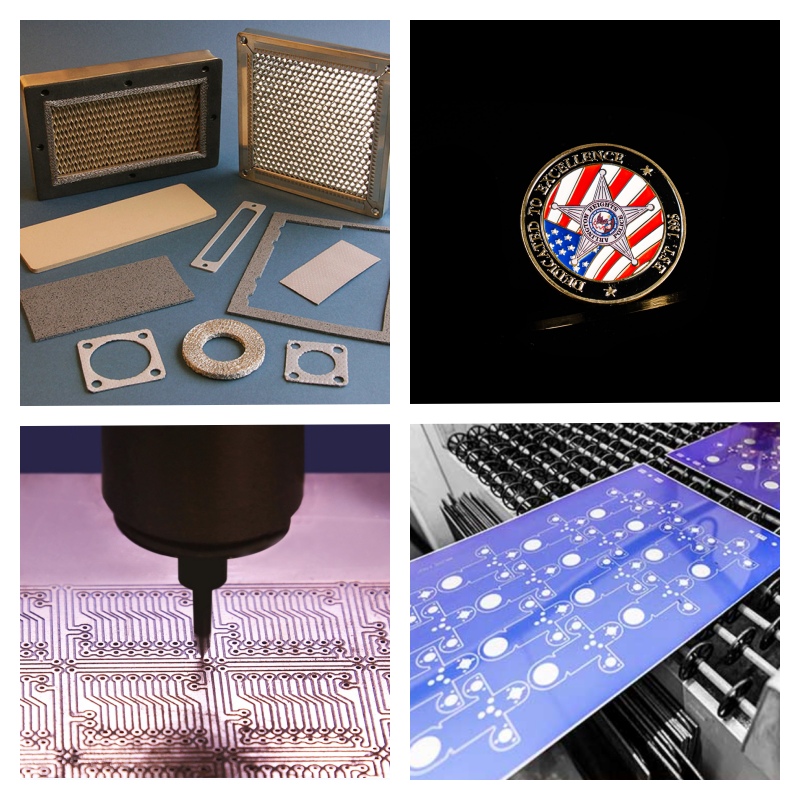
Founded with a commitment to precision and innovation, DRAGON ETCHING TECHNOLOGY., LIMITED is one of the fastest companies in the chemical etching industry. With years of experience and advanced technological capabilities, the company specializes in delivering high-quality, customized metal etching solutions for a wide range of industries, including Electronics and Semiconductor, Optics & Filtration, Automotive & Industrial, Medical & Consumer Electronics, and Cultural and Customized Gift Applications. At DRAGON ETCHING, we pride ourselves on combining technical expertise, responsive service, and innovative processes to provide professional solutions that exceed client expectations and drive industry advancement. Central to these innovations is the company's investment in closed-loop chemistry and zero-discharge systems.
Implementation of Closed-Loop Etchant Recycling
DRAGON ETCHING has developed proprietary regeneration systems for its primary etchants, such as ferric chloride and alkaline solutions. By utilizing membrane electrolysis and selective ion exchange, the company continuously recovers the etching agent while removing dissolved metals. The process maintains optimal etching speed and precision, ensuring that the quality of etched components remains superior. The closed-loop system reduces fresh chemical consumption by up to 90%, significantly cutting costs and hazardous waste generation.
Case Study: Copper Etching for Electronics
In the production of copper parts for the electronics industry, DRAGON ETCHING's closed-loop system treats the spent etchant to remove copper ions. These recovered copper are then sold as a valuable byproduct, creating an additional revenue stream. The regenerated etchant is reused for multiple cycles, extending its life indefinitely. This innovation not only reduces waste but also ensures consistent etching accuracy, critical for semiconductor components.
Zero-Discharge Water Management
DRAGON ETCHING has installed a comprehensive water recycling plant that treats all rinse water from the etching lines. The system uses reverse osmosis and ion exchange to produce high-purity deionized water, which is reused in the rinsing process. The concentrated wastewater is then processed through an evaporator to recover salts and metals, leaving only solid residues that are responsibly disposed of. As a result, DRAGON ETCHING's facility achieves virtually zero liquid discharge, minimizing its environmental footprint and ensuring compliance with the strictest regulations.
Benefits for Clients and the Environment
Cost Savings: Lower chemical and water consumption reduce production costs, savings that can be passed on to clients.
Regulatory Compliance: Zero-discharge systems eliminate discharge permits and penalties, ensuring uninterrupted operations.
Enhanced Reputation: Clients benefit from associating with an environmentally responsible supply chain, improving their own sustainability goals.
Quality Improvement: Closed-loop chemistry maintains stable etching conditions, leading to higher precision and fewer defects.
Industry Impact and Future Trends
The adoption of closed-loop chemistry and zero-discharge systems is transforming the chemical etching industry. Companies like DRAGON ETCHING set a benchmark for sustainability, pushing competitors to innovate. Looking ahead, trends include the use of artificial intelligence for predictive maintenance of recycling systems, development of biodegradable etchants, and integration of renewable energy to power recycling operations. These advancements will further reduce the environmental impact and operational costs of chemical etching.
Challenges to Overcome
Implementing closed-loop and zero-discharge systems requires significant capital investment and technical expertise. Small and medium-sized etching companies may struggle to afford these systems. However, as regulatory pressure increases and technology costs decrease, more companies are expected to follow DRAGON ETCHING's lead. Collaboration with equipment providers and industry consortiums can help spread knowledge and reduce barriers.
Conclusion
Innovations in closed-loop chemistry and zero-discharge systems represent a paradigm shift in chemical etching. DRAGON ETCHING TECHNOLOGY., LIMITED stands at the forefront of this transformation, demonstrating that environmental responsibility and business excellence can go hand in hand. By adopting these sustainable practices, chemical etching companies can reduce waste, lower costs, and enhance product quality, while contributing to a cleaner planet. As the industry evolves, such innovations will become standard, driving a more sustainable future for precision manufacturing.
For more information on how DRAGON ETCHING is revolutionizing chemical etching with closed-loop and zero-discharge systems, or to discuss your custom metal etching needs, visit our website or contact our team of experts.