
The Environmental Advantage of Working with a Modern Metal Etching Manufacturer
This article examines the environmental benefits of choosing a modern metal etching manufacturer, with a focus on DRAGON ETCHING TECHNOLOGY., LIMITED (DRAGON ETCHING). It explains how chemical etching reduces material waste by up to 80% compared to stamping or machining, as dissolved metal can be recovered and recycled. Etching also uses less energy because it operates at near-ambient temperatures, unlike high-energy laser cutting or CNC milling. The process eliminates mechanical stresses, burrs, and heat-affected zones, extending part lifetimes and reducing replacement waste. DRAGON ETCHING employs closed-loop chemical regeneration, effluent treatment, and low-VOC photoresists to manage chemicals responsibly. Their expertise spans electronics, medical, automotive, optics, and consumer goods, allowing clients to consolidate multiple fabrication steps into one eco-friendly process. Scalable production with digital tooling reduces the need for energy-intensive dies. Overall, partnering with DRAGON ETCHING helps companies lower their carbon footprint, comply with environmental regulations, and achieve sustainability goals without sacrificing precision or reliability.
In an era where sustainability is paramount, manufacturers across all sectors are seeking ways to reduce their environmental footprint. The metal fabrication industry, traditionally reliant on subtractive processes like stamping, laser cutting, and CNC machining, faces growing pressure to adopt greener alternatives. Among these alternatives, chemical etching—also known as photochemical etching or metal etching—stands out as a remarkably eco-friendly method. This article explores the substantial environmental benefits of partnering with a modern metal etching manufacturer, with a spotlight on DRAGON ETCHING TECHNOLOGY., LIMITED (DRAGON ETCHING), a leader in precision etching solutions.
Understanding Chemical Etching: A Clean Slate
Chemical etching is a process that uses corrosive chemicals to selectively remove material from a metal sheet, creating intricate parts with high precision. Unlike traditional machining, which cuts or grinds away material, etching dissolves it in a controlled manner. This fundamental difference yields several environmental advantages, including minimal material waste, reduced energy consumption, and elimination of mechanical stress. DRAGON ETCHING, as one of the fastest-growing companies in the industry, has honed these advantages through years of experience and state-of-the-art facilities.
Minimal Material Waste: The Etching Edge
Traditional metal fabrication often generates significant scrap. For example, stamping can waste up to 50% of the raw material, while CNC machining chips away large volumes. In contrast, chemical etching uses a photoresist mask to protect areas that should remain, so only the unmasked metal is dissolved. This process typically achieves material utilization rates exceeding 85%, and for some designs, even 95%. Less waste means fewer raw materials extracted, less energy expended in refining, and reduced landfill burden. DRAGON ETCHING's rigorous quality control ensures that each etch is precise, further minimizing rework and scrap.
undefined
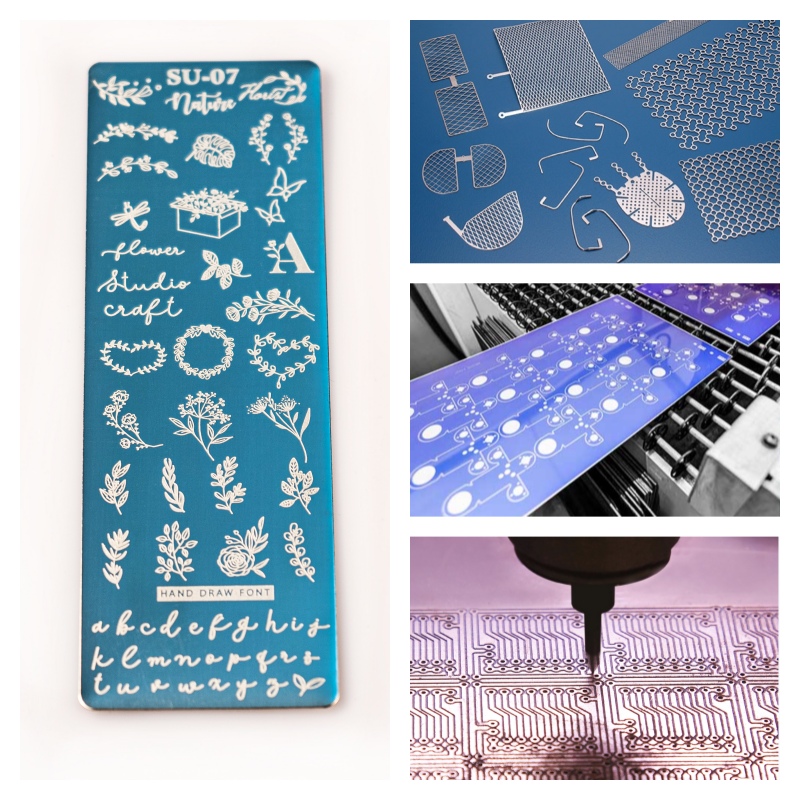
Consider a stainless steel component for an automotive sensor. Using traditional stamping, the blanking process might leave a lattice of scrap around each part. With etching, the parts can be nested closely on a single sheet, and the chemically removed metal can be recovered from the etching solution for recycling. DRAGON ETCHING's advanced processes recover copper, nickel, and iron from spent etchants, turning waste into valuable commodities. This closed-loop approach exemplifies the circular economy in action.
Chemical Management and Environmental Compliance
A common misconception about chemical etching is that it is inherently hazardous due to the use of acids and etchants. However, modern etching manufacturers like DRAGON ETCHING employ sophisticated chemical management systems that far exceed regulatory standards. These systems include:
Closed-loop chemical regeneration: Etching solutions are continuously filtered and replenished, extending their lifespan and reducing discharge.
Effluent treatment plants: Wastewater is neutralized and treated on-site, with heavy metals precipitated and safely disposed or recycled.
Low-VOC photoresists: Modern resists are water-based and free of volatile organic compounds, improving workplace safety and reducing air emissions.
In comparison to chrome plating or anodizing, which generate toxic sludge, etching's waste streams are more manageable. DRAGON ETCHING's facilities operate under strict ISO 14001 environmental management systems, ensuring continuous improvement in environmental performance.
Energy Efficiency: Etching vs. Machining
Energy consumption is another critical metric. CNC machining requires powerful motors to cut through metal, generating heat and noise. Laser cutting uses high-energy beams, while stamping presses are large and energy-intensive. Chemical etching, on the other hand, operates at near-ambient temperatures. The primary energy uses are for pumping etchants and for the controlled heating of some solutions (typically low-temperature). As a result, etching can be up to 70% more energy-efficient than comparable machining operations for thin metal parts. DRAGON ETCHING has invested in energy-efficient pumps and heaters, further reducing its carbon footprint.
Case Study: Electronics Industry
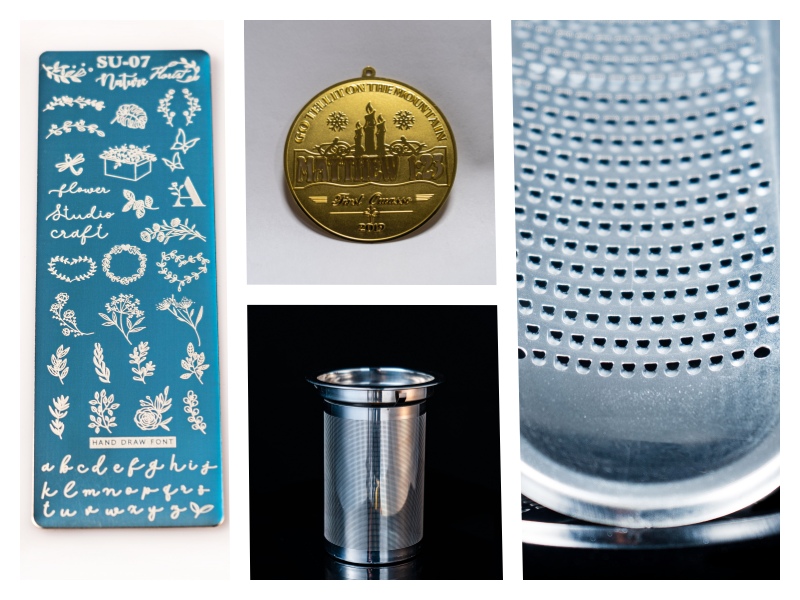
In the electronics and semiconductor sectors, precision is non-negotiable. Etching produces burr-free, stress-free components essential for delicate circuits. DRAGON ETCHING's expertise in this field means that parts like lead frames, RF shields, and connector terminals are produced with zero mechanical deformation, eliminating the need for secondary stress-relieving processes. This not only saves energy but also improves product reliability. Moreover, because etching can produce complex geometries in a single process step, it replaces multiple operations that would otherwise consume more energy and produce more waste.
Elimination of Mechanical Stress and Defects
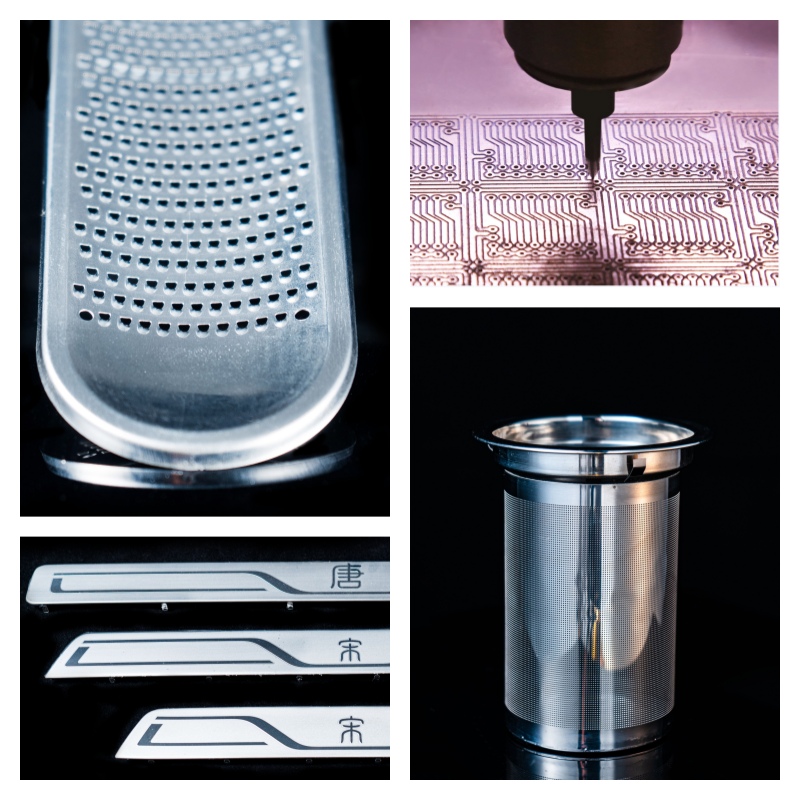
Mechanical cutting methods introduce micro-cracks, burrs, and residual stresses that can compromise part performance and longevity. Parts that fail prematurely contribute to e-waste and increased material consumption. Chemical etching is a non-contact process, leaving the metal's metallurgical properties intact. DRAGON ETCHING's components exhibit no burrs, no heat-affected zones, and no tool marks, resulting in longer service life and reduced replacement frequency. This durability directly translates into environmental savings over the product lifecycle.
Versatility Across Industries: One Green Process for All
DRAGON ETCHING serves a diverse array of industries: electronics and semiconductor, optics and filtration, automotive and industrial, medical and consumer electronics, as well as cultural and customized gift applications. Each of these sectors benefits from etching's environmental profile. For example, in medical devices, etched parts can be made from biocompatible metals without contamination from cutting oils or lubricants. In optics, etched apertures and meshes are produced with pristine edges, improving performance and reducing waste. The versatility means that clients can consolidate multiple fabrication methods into one sustainable etching process, simplifying supply chains and cutting overall environmental impact.
Scalable Production from Prototype to Volume
Another environmental advantage is the ease of scaling. Traditional tooling for stamping requires expensive dies that consume large amounts of steel and energy to manufacture. If a design changes, the die becomes obsolete. Etching uses digital photomasks, which can be modified at minimal cost and with zero material waste. DRAGON ETCHING works closely with clients from prototype development to large-scale production, allowing rapid iteration without environmental penalty. This flexibility supports innovation while keeping resources lean.
Practical Steps for a Greener Supply Chain
Companies looking to reduce their Scope 3 emissions should evaluate their metal parts sourcing. By switching to a modern etching manufacturer like DRAGON ETCHING, businesses can achieve:
Reduced material waste by up to 80% compared to stamping.
Lower carbon footprint per part due to energy efficiency.
Chemically recyclable waste streams.
Longer product lifetimes due to stress-free parts.
DRAGON ETCHING's commitment to precision and innovation extends to environmental stewardship. Their state-of-the-art facilities and rigorous quality control ensure that every component meets the highest standards of accuracy and reliability while honoring the planet's limits.
Conclusion: The Future of Metal Fabrication Is Green
The environmental advantage of working with a modern metal etching manufacturer is clear. Chemical etching offers a path to significantly lower waste, energy, and emissions—without compromising on quality or precision. DRAGON ETCHING TECHNOLOGY., LIMITED embodies this advantage: as a fast-growing company with deep expertise, they combine technical excellence with eco-conscious practices. By choosing etching, industries not only improve their bottom line but also contribute to a more sustainable world. The shift toward green manufacturing is no longer optional; it is imperative. With partners like DRAGON ETCHING, that shift becomes both achievable and profitable.
For more information on how DRAGON ETCHING can help optimize your metal parts for sustainability, contact their team today.