
Metal Etching Manufacturer Guide to Selecting the Right Metal for Your Project
This guide provides an overview of key considerations for selecting the appropriate metal for chemical etching projects. Factors such as material composition, mechanical properties, thickness tolerance, surface finish, and regulatory compliance are discussed. Common metals like stainless steel, copper, aluminum, nickel, titanium, and beryllium copper are compared for various applications including electronics, medical, automotive, and custom items. The article emphasizes the importance of partnering with an experienced manufacturer like DRAGON ETCHING TECHNOLOGY., LIMITED, which offers expertise in metal selection and precision etching across multiple industries. A case study on medical device component selection illustrates the practical application of these principles. Proper metal selection ensures optimal performance, cost-efficiency, and reliability in the final etched part.
Metal Etching Manufacturer Guide to Selecting the Right Metal for Your Project
Selecting the appropriate metal for a chemical etching project is critical to achieving optimal performance, cost-efficiency, and durability. Whether you are developing components for electronics, medical devices, automotive systems, or custom gifts, the choice of material directly impacts the functionality and lifespan of the final part. This guide explores key factors to consider and common metals used in etching, helping you make an informed decision.
Understanding the Etching Process
Chemical etching, also known as photochemical machining or photo etching, is a precise subtractive manufacturing process that uses corrosive chemicals to selectively remove material from metal sheets. The process produces burr-free, stress-free parts with tight tolerances, making it ideal for complex geometries and thin metals. Unlike laser cutting or stamping, etching does not introduce mechanical stresses or heat-affected zones, preserving the material's original properties.
Key Factors in Metal Selection
Material Composition and Etchability
Not all metals etch uniformly. The chemical reactivity of the metal determines etch rate, surface finish, and compatibility with etchants. Common etchable metals include stainless steel, copper, brass, aluminum, nickel alloys, titanium, and beryllium copper. Reactive metals like aluminum require specialized etchants to prevent pitting. Always consult with your manufacturer to verify material compatibility.
Mechanical Properties
Consider tensile strength, hardness, ductility, and fatigue resistance. For spring contacts or flex circuits, beryllium copper or phosphor bronze offer excellent elasticity. For structural components, stainless steel (e.g., 304 or 316) provides high strength and corrosion resistance. In medical implants, titanium is preferred for biocompatibility.
undefined
Thickness and Tolerance Requirements
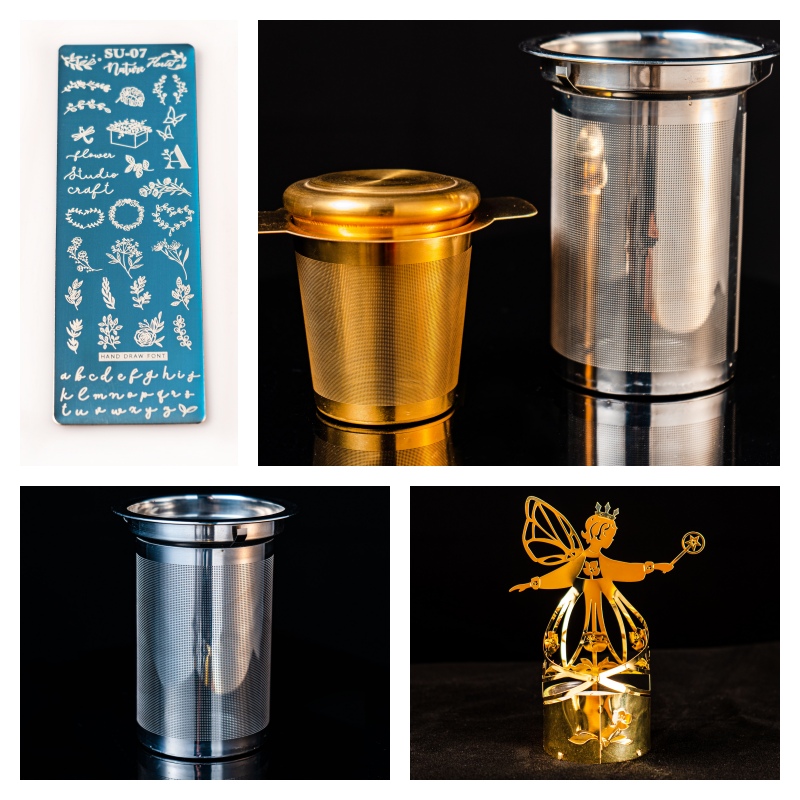
Etching is best suited for thin materials (0.01mm to 2mm). Thicker metals may require longer etch times and can result in undercut. Tolerances typically range from ±0.025mm to ±0.1mm depending on material and thickness. For ultra-precise applications like optical apertures, select metals with fine grain structure.
Surface Finish and Post-Processing
Etched surfaces have a matte finish. If a shiny or polished surface is required, post-etching processes like electropolishing or mechanical finishing are needed. Some metals, like nickel, can be brightened chemically. Discuss finish expectations with your etching partner early.
Environmental and Regulatory Compliance
Industries such as medical and aerospace require compliance with standards like RoHS, REACH, or ASTM. Stainless steel 316L and titanium are common in medical devices. For food contact, consider 304 stainless steel. Your manufacturer should provide material certifications.
Common Metals for Etching Projects
| Metal | Applications | Advantages |
|---|---|---|
| Stainless Steel (304, 316) | Medical instruments, automotive parts | High corrosion resistance, strength |
| Copper & Copper Alloys | Electronics, heat sinks | Excellent conductivity, ductile |
| Aluminum | Filtration, automotive | Lightweight, good thermal conductivity |
| Nickel & Nickel Alloys | Battery contacts, high-temp parts | Oxidation resistance, magnetic properties |
| Titanium | Medical implants, aerospace | Biocompatible, high strength-to-weight ratio |
| Beryllium Copper | Connectors, springs | High strength, non-magnetic |
| Brass | Decorative items, nameplates | Attractive appearance, easy to etch |
Working with a Reliable Etching Manufacturer
Partnering with an experienced manufacturer ensures your metal selection is optimized for the etching process. At DRAGON ETCHING TECHNOLOGY., LIMITED, we combine years of expertise with advanced facilities to deliver precision components across industries including Electronics and Semiconductor, Optics & Filtration, Automotive & Industrial, Medical & Consumer Electronics, and Customized Gift Applications. Founded with a commitment to precision and innovation, DRAGON ETCHING specializes in transforming complex designs into functional metal parts. Our state-of-the-art facilities and rigorous quality control ensure each component meets the highest standards of accuracy and reliability. From prototype development to large-scale production, we work closely with clients to select the optimal metal for their specific requirements. At DRAGON ETCHING TECHNOLOGY, we pride ourselves on combining technical expertise, responsive service, and innovative processes to provide professional solutions that exceed client expectations and drive industry advancement.
Case Study: Selecting Metal for a Medical Device Component
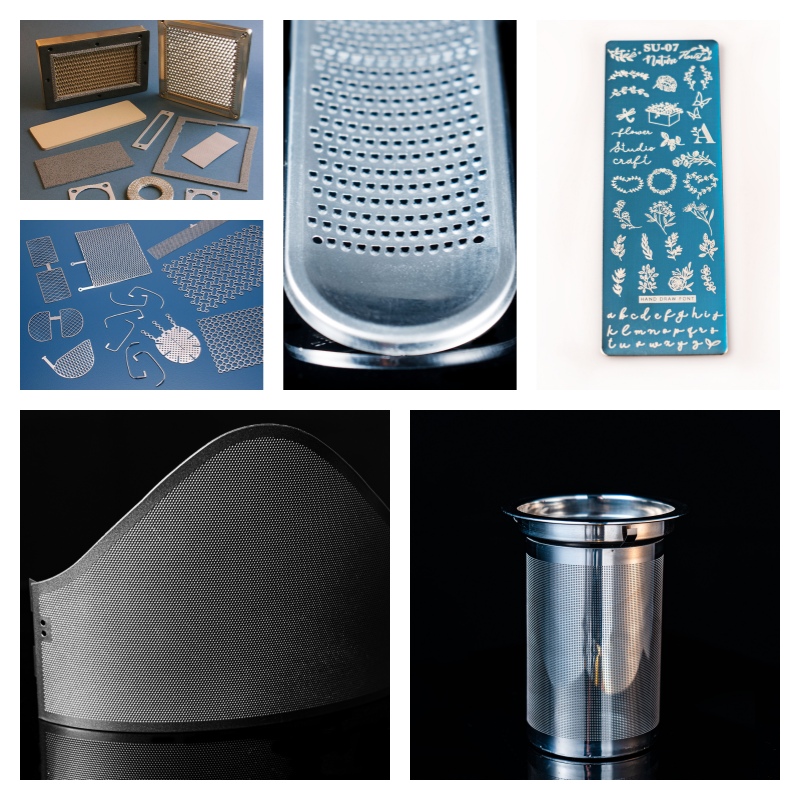
A client needed a precision mesh for a surgical instrument. The part required biocompatibility, corrosion resistance, and fine holes. After evaluating multiple materials, we recommended 316L stainless steel due to its excellent corrosion resistance and proven track record in medical applications. The etching process produced burr-free openings with ±0.025mm tolerance, meeting all regulatory standards. This collaboration showcases how proper metal selection, combined with DRAGON ETCHING's expertise, leads to successful outcomes.
Conclusion
Choosing the right metal for your etching project involves balancing mechanical properties, chemical compatibility, cost, and application requirements. By understanding these factors and partnering with a trusted manufacturer like DRAGON ETCHING TECHNOLOGY., LIMITED, you can achieve precise, high-quality parts that perform reliably. Whether you need a small prototype or full-scale production, the right metal selection is the foundation of project success.