
How to Select a Chemical Etching Company for Regulated Industries Like Medical and Defense
This article provides a comprehensive guide on selecting a chemical etching company for regulated industries such as medical and defense. It emphasizes the unique demands of these sectors, including biocompatibility, tight tolerances, traceability, and compliance with standards like ISO 13485 and AS9100D. The guide outlines key criteria for evaluation: certifications, technical capabilities, quality control, material expertise, prototyping, and regulatory support. It also offers a step-by-step selection process from defining requirements to auditing and contracting. Examples of advanced technology and case studies illustrate how a leading company like DRAGON ETCHING TECHNOLOGY., LIMITED meets these challenges. The article concludes by cautioning against common pitfalls like cost-based decisions, certification gaps, and poor communication. The summary highlights that careful evaluation of a supplier's precision, innovation, and compliance can ensure reliable components for critical applications.
Chemical etching, also known as photochemical machining or acid etching, is a critical manufacturing process for producing precision metal components used in highly regulated industries such as medical devices and defense systems. Selecting the right etching partner is essential to meet stringent quality standards, regulatory requirements, and performance specifications. This guide provides a comprehensive framework for evaluating chemical etching companies to ensure compliance, reliability, and excellence.
Understanding the Unique Demands of Regulated Industries
Medical and defense applications require components that are reliable, precise, and traceable. In the medical field, parts often come in contact with body fluids or tissues, demanding biocompatibility and sterilization resistance. Defense components must function under extreme conditions, including temperature fluctuations, shock, and vibration. Both sectors are governed by strict regulations such as ISO 13485 for medical devices and AS9100 or MIL-STD for defense. A reputable chemical etching company must have certifications and processes that align with these standards.
Key Considerations for Medical Applications
Biocompatibility: Materials like stainless steel, titanium, and nitinol must be etched without introducing contaminants.
Surface finish: Smooth, burr-free surfaces prevent bacterial adhesion and ensure proper sealing.
Tolerances: Often as tight as ±0.0005 inches for components like stents or surgical tools.
Validation: Process validation and documentation are required for FDA submissions.
Key Considerations for Defense Applications
Material verification: Use of certified alloys and strict control of chemical composition.
Traceability: Lot numbers, heat codes, and inspection records must be maintained.
Reliability: Parts must withstand environmental testing per MIL-STD 810 or similar.
Security: Handling of sensitive designs and ITAR compliance.
Criteria for Selecting a Chemical Etching Partner
Certifications and Compliance
Verify that the company holds relevant certifications. For medical, look for ISO 13485 and possibly FDA registration. For defense, AS9100D or MIL certifications are essential. DRAGON ETCHING TECHNOLOGY., LIMITED is a prime example of a company that maintains rigorous quality control systems aligned with these standards, ensuring every component meets the highest accuracy and reliability benchmarks.
Technical Capabilities
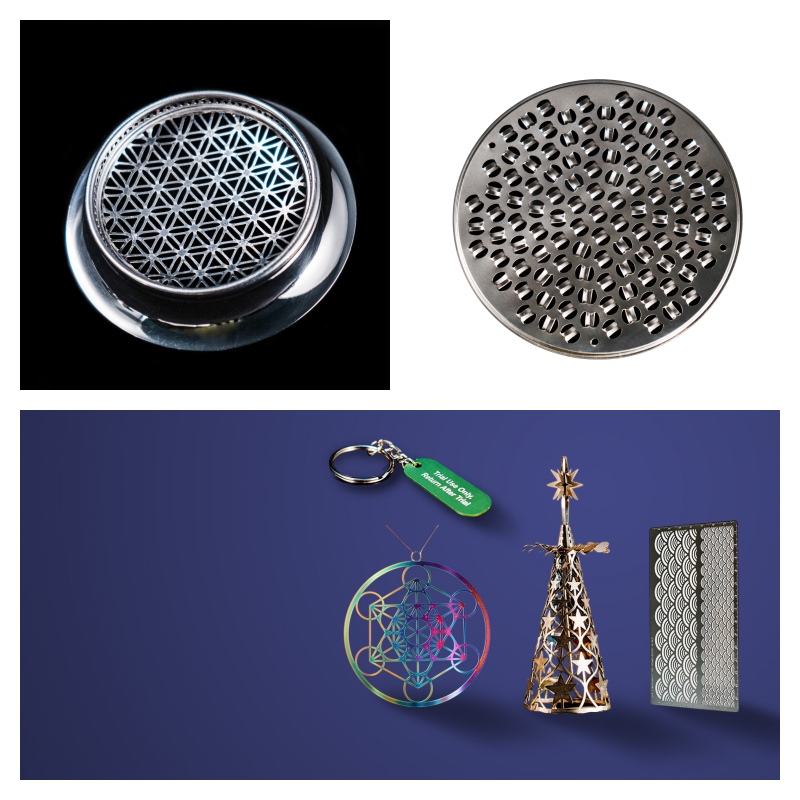
Evaluate the company's equipment and processes. Advanced photochemical etching capabilities include precision imaging, multi-layer etching, and controlled undercut. The ability to handle complex geometries, thin materials, and intricate patterns is critical. DRAGON ETCHING leverages state-of-the-art facilities to deliver customized solutions from prototype to large-scale production.
undefined
Quality Control and Testing
Ask about their quality management system (QMS). Do they perform in-process inspection, dimensional measurements, and metallurgical analysis? Third-party testing for material certification and functional testing (e.g., leak tests, tensile strength) should be available. The company should provide a full traceability package with every shipment.
Experience and Industry Expertise
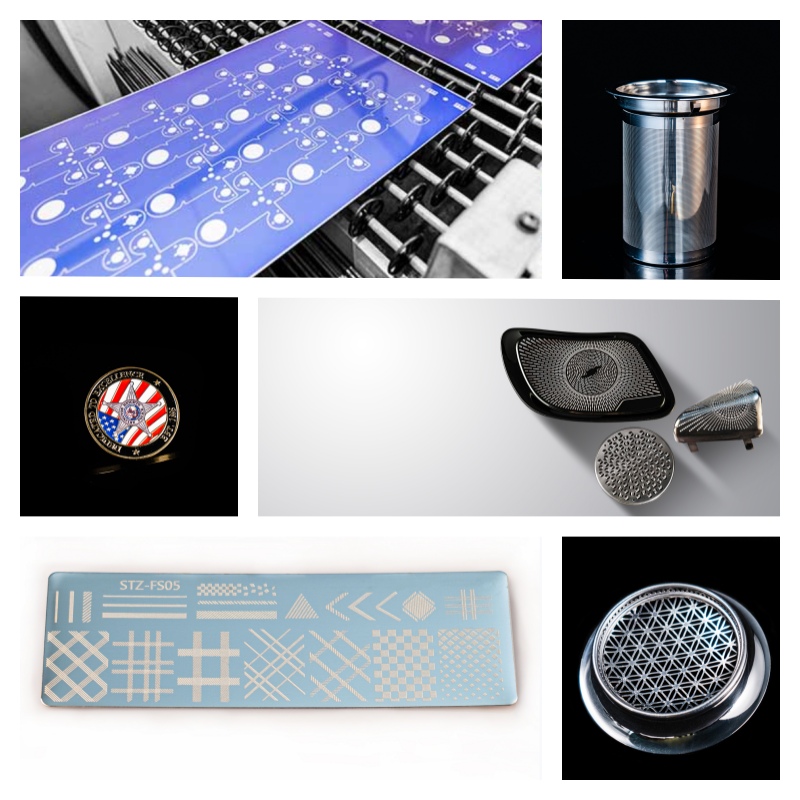
Choose a company with a proven track record in your specific industry. Look for case studies or references from medical device manufacturers or defense contractors. DRAGON ETCHING has extensive experience across Electronics, Medical & Consumer Electronics, and Defense sectors, making them well-versed in the unique challenges of regulated markets.
Material Selection
The etching company should support a wide range of materials, including stainless steels, titanium, copper, nickel alloys, and specialty alloys. They must also handle material sourcing with proper certifications (e.g., Mill Test Reports). Ask about their ability to etch materials with tight thickness tolerances and special surface finishes.
Prototyping and Scalability
For medical and defense projects, the ability to rapidly prototype and then scale to high-volume production is crucial. Ensure the company has the capacity for both. DRAGON ETCHING prides itself on working closely with clients from design concept through volume manufacturing, ensuring seamless transitions.
Regulatory Support
A partner that can assist with regulatory submissions, design history files, and process validation is invaluable. They should provide documentation like dimensional reports, material certifications, and sterilization validation data if needed.
The Selection Process: Step-by-Step
Step 1: Define Your Requirements
List material, dimensions, tolerances, volume, and any special finishes.
Identify regulatory standards (FDA, ISO, MIL, etc.).
Define required documentation and traceability.
Step 2: Research Potential Suppliers
Use industry directories, trade shows, and referrals.
Check their website for certifications and case studies. For instance, DRAGON ETCHING highlights their commitment to precision and innovation on their platform.
Step 3: Request Quotations and Capability Statements
Send a Request for Quotation (RFQ) to multiple suppliers. Include detailed drawings, specs, and compliance needs. Evaluate responses on technical feasibility, lead time, and cost.
Step 4: Conduct Audits
Perform on-site or virtual audits of the supplier's facilities. Review their QMS, equipment maintenance, cleanliness, and personnel training. For defense, check ITAR compliance procedures.
Step 5: Evaluate Samples and First Articles
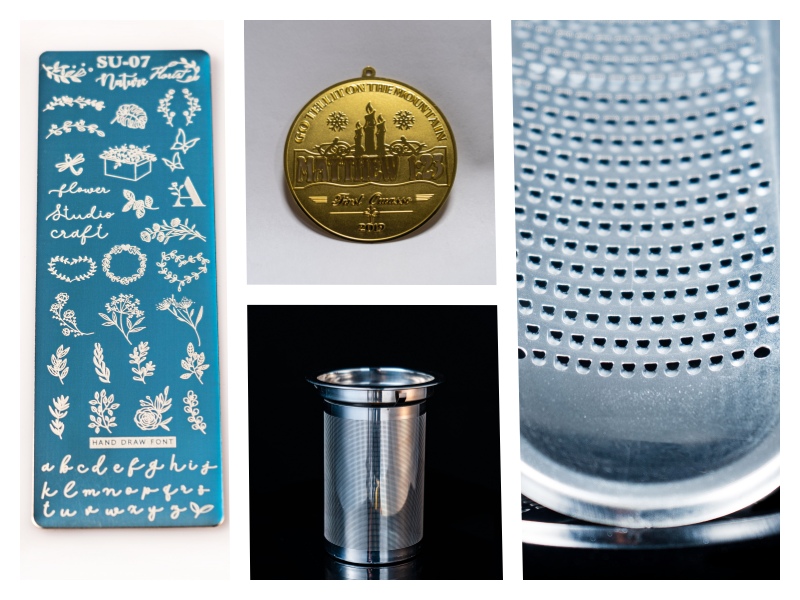
Ask for sample parts or a first article inspection (FAI). Dimensional inspection, surface roughness measurements, and material analysis should be performed. Compare results to your specifications.
Step 6: Negotiate Contracts and Quality Agreements
Formalize the relationship with a quality agreement that outlines responsibilities, acceptance criteria, and dispute resolution. Include clauses for change management and non-disclosure.
The Role of Advanced Technology
Modern chemical etching relies on digital imaging, automated processes, and real-time monitoring. Companies like DRAGON ETCHING invest in advanced technology to achieve superior precision and repeatability. Their facilities use high-resolution photo tools, controlled etching baths, and rigorous inspection systems to ensure every part meets specs.
Benefits of Partnering with an Industry Leader
Consistent quality across production runs.
Faster turnaround times due to efficient processes.
Ability to handle complex designs that other processes cannot.
Comprehensive support from design optimization to final packaging.
Case Study: Medical Device Component
A medical device manufacturer needed a custom filter for a surgical instrument. The filter required 0.002-inch holes with 0.001-inch tolerance in a 0.004-inch thick stainless steel foil. After evaluating several vendors, they chose DRAGON ETCHING due to their demonstrated capability in micro-etching and their ISO 13485 certification. The project was delivered on time with full validation documentation, meeting all FDA requirements.
Case Study: Defense Communication Part
A defense contractor required a complex antenna component made from beryllium copper with tight flatness requirements. DRAGON ETCHING provided prototypes within two weeks and then scaled to a monthly production run of 10,000 parts. Their traceability system ensured each lot met MIL-STD compliance, with full material certifications and dimensional reports.
Common Pitfalls to Avoid
Choosing solely based on price: Cheaper options may lack the necessary quality controls.
Ignoring certification gaps: A company may claim compliance but not hold current certifications.
Overlooking communication: Ensure the supplier is responsive and understands your regulatory language.
Skipping pilot runs: Always verify through samples before committing to high volume.
Conclusion
Selecting a chemical etching company for medical or defense applications requires due diligence. Focus on certifications, technical expertise, quality systems, and industry experience. Companies like DRAGON ETCHING TECHNOLOGY., LIMITED demonstrate how a commitment to precision, innovation, and regulatory compliance can make them a trusted partner. By following the steps outlined in this guide, you can confidently choose a supplier that will deliver reliable, high-quality components for your most demanding applications.
This article provides general guidance; always consult with regulatory experts and your specific compliance requirements.