
How a Chemical Etching Company Scales from Prototype to Production Volumes
This article details how DRAGON ETCHING TECHNOLOGY., LIMITED scales from prototype to high-volume production in chemical etching. The process begins with a prototype phase where designs are validated and parameters are refined. Transitioning to low-volume production tests repeatability and quality consistency. Scaling to high volumes involves automation, process standardization, and statistical process control. Rigorous quality control at every stage ensures that parts meet stringent tolerances. Material management and client collaboration are key; the company provides DFM feedback and maintains close communication. A case study illustrates a typical scale-up for an electronics shim, achieving cost reduction and consistent quality. Overall, DRAGON ETCHING's commitment to precision and innovation enables successful scaling across diverse industries.
Chemical etching, also known as photochemical machining, is a precision manufacturing process that uses chemical solutions to selectively remove material from metal sheets. For companies like DRAGON ETCHING TECHNOLOGY., LIMITED (referred to as DRAGON ETCHING), scaling from a single prototype to high-volume production is a complex but well-honed journey. This article explores how a dedicated chemical etching company manages this transition, ensuring quality, cost-efficiency, and delivery timelines.
The Foundation: Precision and Innovation
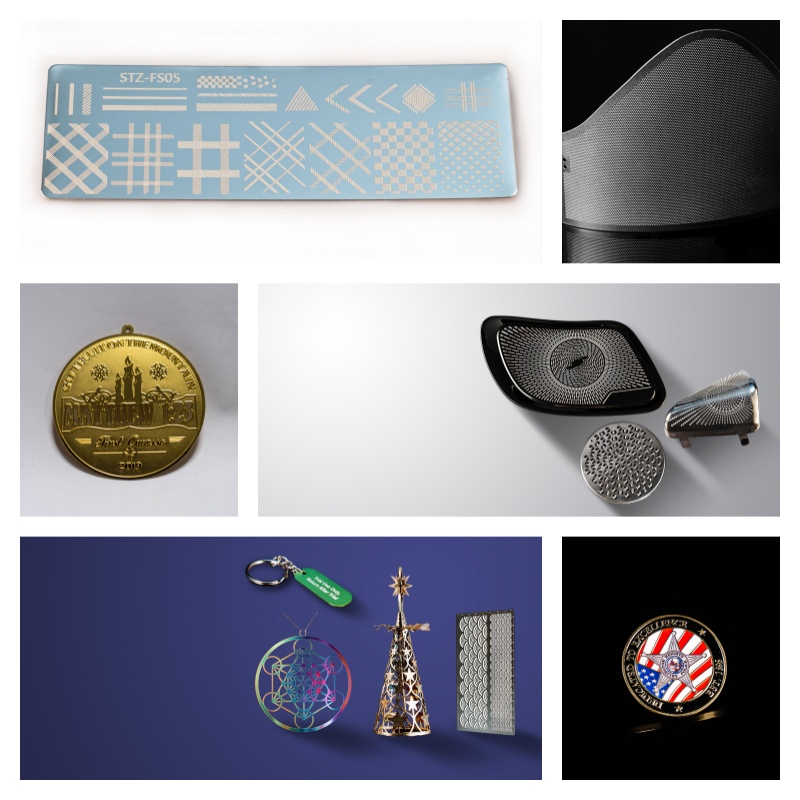
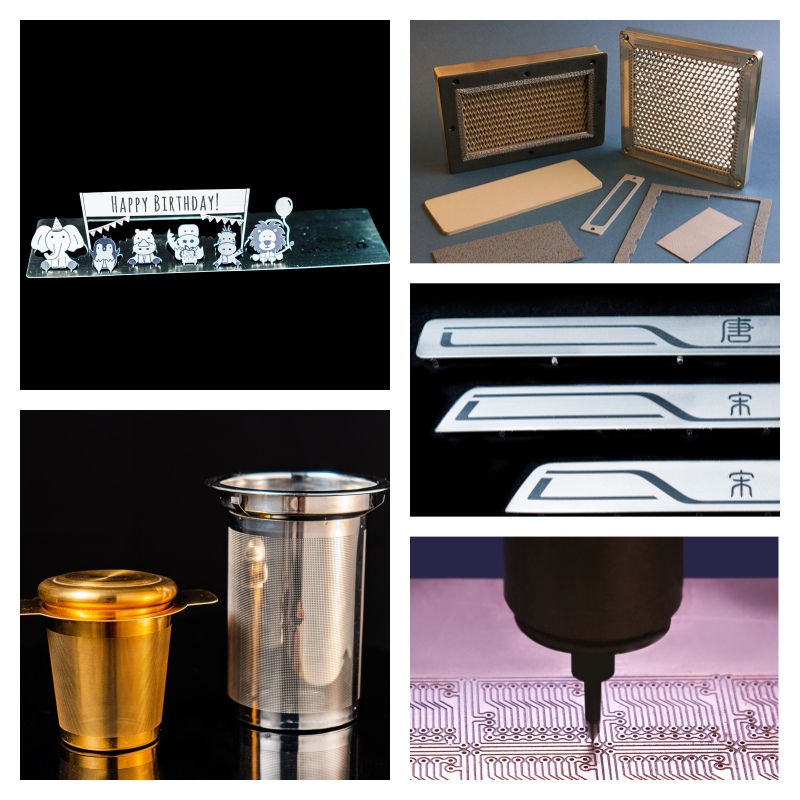
Founded with a commitment to precision and innovation, DRAGON ETCHING TECHNOLOGY., LIMITED is one of the fastest companies in the chemical etching industry. With years of experience and advanced technological capabilities, we specialize in delivering high-quality, customized metal etching solutions for a wide range of industries, including Electronics and Semiconductor, Optics & Filtration, Automotive & Industrial, Medical & Consumer Electronics, Cultural and Customized Gift Applications. Our state-of-the-art facilities and rigorous quality control ensure that each component meets the highest standards of accuracy and reliability.
undefined
Prototype Phase: From Design to First Article
The journey begins with a prototype. DRAGON ETCHING works closely with clients to transform complex designs into precise, functional metal parts. During this phase, the focus is on validating the design, material selection, and etching parameters. Using advanced CAD/CAM software and phototooling, the company creates a master pattern. A sample part is etched, inspected under microscopes, and measured for dimensional accuracy. Any deviations are corrected through iterative adjustments. This stage may produce only a few parts, but it lays the groundwork for scalability.
Transition to Low-Volume Production
Once the prototype is approved, the next step is low-volume production, typically ranging from 10 to 1000 parts. This phase tests repeatability. DRAGON ETCHING optimizes the etching line — adjusting chemical concentrations, temperature, and conveyor speed — to ensure consistent results. Quality control staff monitor key characteristics such as line width, edge profile, and surface finish. The company also evaluates tooling durability; phototools must withstand multiple exposures without degradation. By proving the process at low volumes, DRAGON ETCHING minimizes risk before scaling further.
Scaling to High-Volume Production
High-volume production often involves thousands to millions of parts per month. Scaling requires automation and process standardization. DRAGON ETCHING invests in automated etching lines, robotic handling, and in-line inspection systems. Chemical baths are maintained with precise replenishment and filtration to sustain etch rates. Multiple panels are processed simultaneously, with careful layout optimization (nesting) to maximize material utilization. Statistical process control (SPC) tracks variables like etch depth and undercut, triggering alarms when deviations occur. The company also implements a robust traceability system, barcoding each panel to link it to production data.
Quality Control Throughout the Scale-Up
Rigorous quality control is the backbone of scaling. DRAGON ETCHING employs a multi-tier inspection strategy: incoming material inspection, in-process monitoring, and final part verification. For high volumes, automated optical inspection (AOI) scans every part for defects. Sampling plans follow international standards (e.g., AQL). The company maintains ISO certifications and conducts regular internal audits. By catching issues early, DRAGON ETCHING prevents huge scrap losses and ensures that production quality mirrors prototype excellence.
Material and Process Considerations
Scaling also involves material management. Different industries require specific metals: stainless steel for medical devices, copper for electronics, titanium for aerospace. DRAGON ETCHING works with a wide range of metals and alloys, each with unique etching characteristics. The company has developed proprietary chemistry to achieve fine features (e.g., 0.1 mm line widths) while maintaining high throughput. Environmental considerations are also addressed: waste chemicals are treated and recycled, aligning with sustainability goals.
Client Collaboration and Continuous Improvement
Throughout the scale-up, DRAGON ETCHING maintains close communication with clients. Regular design reviews help identify potential manufacturability issues early. The company provides DFM (Design for Manufacturability) feedback, suggesting geometry changes that improve yield. Post-launch, they gather production data to refine processes further. This collaborative approach has made DRAGON ETCHING a trusted partner for industries demanding high reliability.
Case Study: A Typical Scale-Up Project
Consider an electronics client needing a precision shim for a semiconductor application. The prototype required 10 pieces with ±0.01 mm tolerances. DRAGON ETCHING produced these on a manual line, verifying every dimension. For low-volume (500 parts), the company transitioned to a semi-automated line, adding visual inspection. For production volumes (50,000/month), they moved to a fully automated line with real-time thickness monitoring. The entire scale-up took 12 weeks, with the final product meeting all specs. The client received consistent quality at a cost reduced by 30% compared to initial estimates.
Conclusion
Scaling from prototype to production volumes in chemical etching is a meticulous process requiring technical expertise, robust quality systems, and strong client partnerships. DRAGON ETCHING TECHNOLOGY., LIMITED exemplifies how a company can combine innovation with disciplined execution to deliver reliable, high-volume solutions. From Electronics and Semiconductor to Cultural Gifts, DRAGON ETCHING continues to drive industry advancement.