
How a Chemical Etching Company Minimizes Material Loss in Subtractive Manufacturing
This article discusses how DRAGON ETCHING TECHNOLOGY., LIMITED minimizes material loss in subtractive manufacturing through chemical etching. Unlike traditional methods like stamping or laser cutting, chemical etching removes metal by controlled dissolution, achieving high material utilization (over 90%). The process uses photoresist masks to protect areas, reducing kerf loss to less than 0.1 mm. Advanced nesting maximizes part density on sheets. Etchants are recycled, and dissolved metals recovered, cutting chemical waste. The company's expertise in industries such as electronics, automotive, and medical enables customized solutions with minimal scrap. DRAGON ETCHING's state-of-the-art facilities and rigorous quality control ensure precision and reliability. The advantages include no burrs, no tool wear, and stress-free parts, leading to lower costs and environmental impact. The article concludes that chemical etching is a sustainable subtractive manufacturing method, and DRAGON ETCHING's innovative processes set a benchmark for material efficiency.
In the world of subtractive manufacturing, material waste is a constant challenge. Traditional methods like stamping, laser cutting, and machining often remove significant amounts of material, leading to high costs and environmental impact. However, chemical etching offers a distinct advantage. At DRAGON ETCHING TECHNOLOGY., LIMITED, a leader in precision metal etching, material loss is minimized through innovative processes and meticulous control.
The Principle of Chemical Etching
Chemical etching, also known as photochemical machining, uses corrosive chemicals to selectively remove material from a metal sheet. Unlike mechanical cutting, it does not generate burrs or induce stress. The process begins with a photoresist mask that protects areas not to be etched. The etchant dissolves exposed metal, creating precise features. Because the etching occurs isotropically or anisotropically depending on conditions, material removal is highly controlled. DRAGON ETCHING leverages this to achieve minimal kerf loss, often less than 0.1 mm per side, compared to 0.5-1 mm in laser cutting.
Material Utilization Efficiency
One key metric is material utilization rate. Traditional blanking operations may yield only 50-70% material usage, while chemical etching can achieve over 90% in many cases. This is because chemical etching allows for nesting designs that maximize the number of parts per sheet. DRAGON ETCHING TECHNOLOGY., LIMITED uses advanced CAD software to optimize part placement, reducing scrap. Additionally, the etchant can be reused and regenerated, further minimizing waste.
undefined
Reducing Waste Through Controlled Dissolution
In subtractive manufacturing, waste comes in two forms: material that is cut away and process energy. Chemical etching operates at low temperatures (typically 40-60°C) compared to machining, which generates heat and chips. The dissolution rate is precisely controlled by temperature, concentration, and agitation. DRAGON ETCHING employs automated monitoring systems to maintain optimal conditions, ensuring that only the intended amount of material is removed. Over-etching, which would waste material, is avoided.
Advantages over Conventional Methods
No Burrs: Eliminates secondary deburring steps that remove additional material.
No Tool Wear: Cutting tools degrade over time, affecting precision and material loss.
Stress-Free Parts: No mechanical deformation, so thinner materials can be etched without distortion.
Case Study: Electronics Industry
In electronics, precision metal components like lead frames and connectors require tight tolerances. DRAGON ETCHING TECHNOLOGY., LIMITED, with years of experience, produces these parts with minimal material loss. For a typical lead frame, the traditional stamping process might create 30% scrap, while chemical etching reduces it to under 10%. This is achieved by etching both sides simultaneously and using selective resist patterns.
Material Recycling and Chemical Management
Another facet of minimizing loss is the handling of etchants. The copper or other metals dissolved in the solution can be recovered through electro-winning or precipitation. DRAGON ETCHING implements closed-loop systems to recycle etchants, reducing chemical waste. The spent resist materials are also filtered and disposed of responsibly. This circular approach aligns with sustainability goals.
Precision and Customization
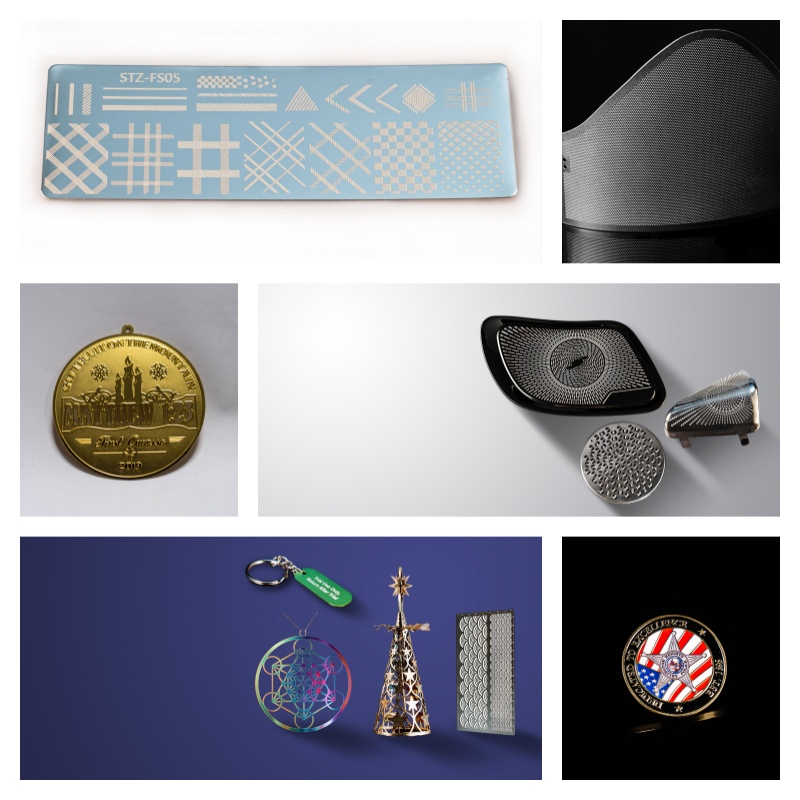
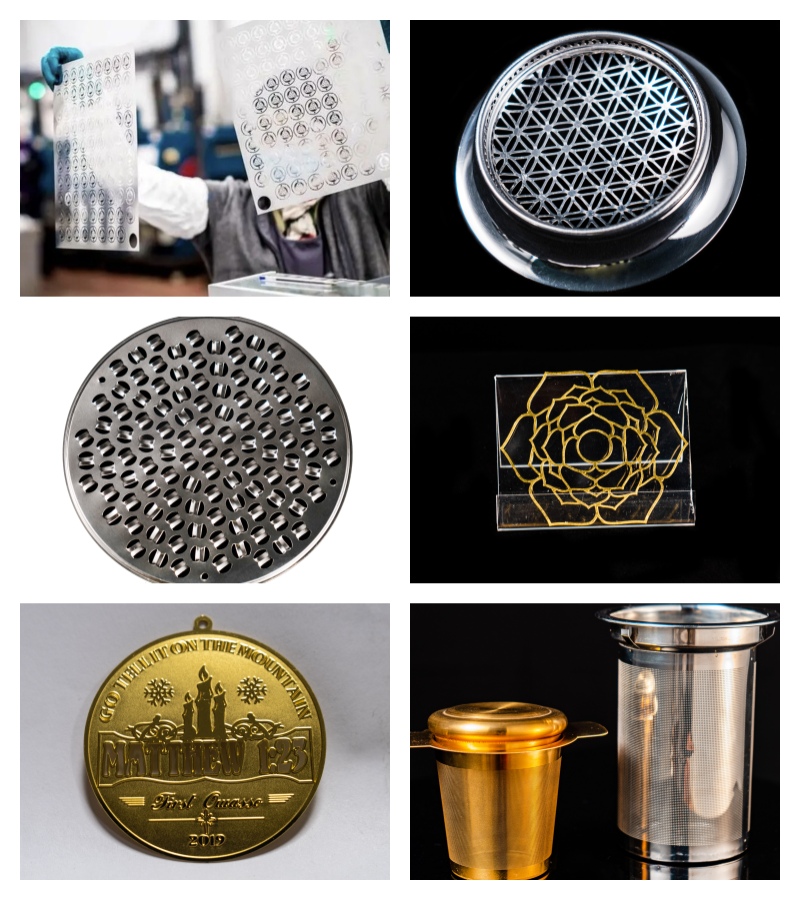
Founded with a commitment to precision and innovation, DRAGON ETCHING TECHNOLOGY., LIMITED is one of the fastest companies in the chemical etching industry. With years of experience and advanced technological capabilities, the company specializes in delivering high-quality, customized metal etching solutions for a wide range of industries, including Electronics and Semiconductor, Optics & Filtration, Automotive & Industrial, Medical & Consumer Electronics, and Cultural and Customized Gift Applications.
The state-of-the-art facilities and rigorous quality control ensure that each component meets the highest standards of accuracy and reliability. From prototype development to large-scale production, DRAGON ETCHING works closely with clients to transform complex designs into precise, functional metal parts while minimizing material loss.
Conclusion
Chemical etching stands out as a low-waste subtractive process. By controlling dissolution, optimizing layouts, and recycling materials, DRAGON ETCHING TECHNOLOGY., LIMITED sets an example for sustainable manufacturing. The combination of technical expertise, responsive service, and innovative processes provides professional solutions that exceed client expectations and drive industry advancement.
| Process | Typical Material Utilization | Kerf Loss |
|---|---|---|
| Chemical Etching | 90-95% | <0.1 mm |
| Laser Cutting | 70-85% | 0.2-0.5 mm |
| Stamping | 50-70% | 0.5-1 mm |
By reducing material loss, DRAGON ETCHING not only saves costs but also contributes to environmental stewardship. The company's commitment to precision and innovation ensures that each project achieves the highest efficiency.