
How a Chemical Etching Company Handles Challenging Materials Like Titanium and Molybdenum
Chemical etching of titanium and molybdenum is challenging due to their stable oxide layers and chemical inertness. DRAGON ETCHING TECHNOLOGY., LIMITED, a leading chemical etching company, addresses these difficulties through proprietary etchant formulations (e.g., HF/HNO3 for titanium, alkaline ferricyanide for molybdenum), precise control of process parameters (temperature, agitation, time), and advanced equipment such as conveyorized spray etchers and real-time monitoring systems. The company's expertise enables high-precision components for industries including electronics, medical, automotive, and aerospace. Rigorous quality control ensures minimal undercut, smooth edges, and consistent tolerances. By combining technical innovation with responsive service, DRAGON ETCHING provides reliable solutions for the most demanding materials, transforming complex designs into functional metal parts for both prototype and large-scale production.
Chemical etching, also known as photochemical machining or photo etching, is a precise metal fabrication process that uses corrosive chemicals to selectively remove material from metal sheets. While it excels with common metals like stainless steel and copper, some materials present unique challenges. Titanium and molybdenum are two such metals known for their exceptional strength, heat resistance, and corrosion resistance, making them valuable in aerospace, medical, and electronics industries. However, their chemical and physical properties also make them notoriously difficult to etch. This article explores how a specialized chemical etching company like DRAGON ETCHING TECHNOLOGY., LIMITED overcomes these obstacles to deliver high-precision components.
The Unique Properties of Titanium and Molybdenum
Titanium is lightweight, biocompatible, and highly resistant to corrosion, but it forms a stable oxide layer that resists many etchants. Molybdenum, on the other hand, is a refractory metal with a very high melting point (2623°C) and excellent thermal conductivity. Its chemical inertness and tendency to form molybdenum oxides during etching complicate the process. Both materials require specialized etchants and process controls to achieve clean, precise features without undercut or pitting.
undefined
Challenges in Etching Titanium
Titanium's native oxide layer (primarily TiO2) acts as a barrier, preventing uniform etching. Common etchants like ferric chloride are ineffective. Instead, hydrofluoric acid (HF) or ammonium bifluoride mixtures are used, but these are extremely hazardous and require careful handling. Additionally, titanium's low thermal conductivity can lead to heat buildup and uneven material removal. DRAGON ETCHING addresses this by using advanced etchant formulations and precise temperature control systems.
Challenges in Etching Molybdenum
Molybdenum is often etched using potassium ferricyanide or alkaline permanganate solutions. The main difficulty is controlling the etch rate to avoid over-etching and maintaining a clean surface free of oxide residues. Molybdenum also tends to produce brittle edges if not processed correctly. At DRAGON ETCHING, proprietary etchants and multi-step rinsing processes ensure consistent results.
DRAGON ETCHING's Approach to Challenging Materials
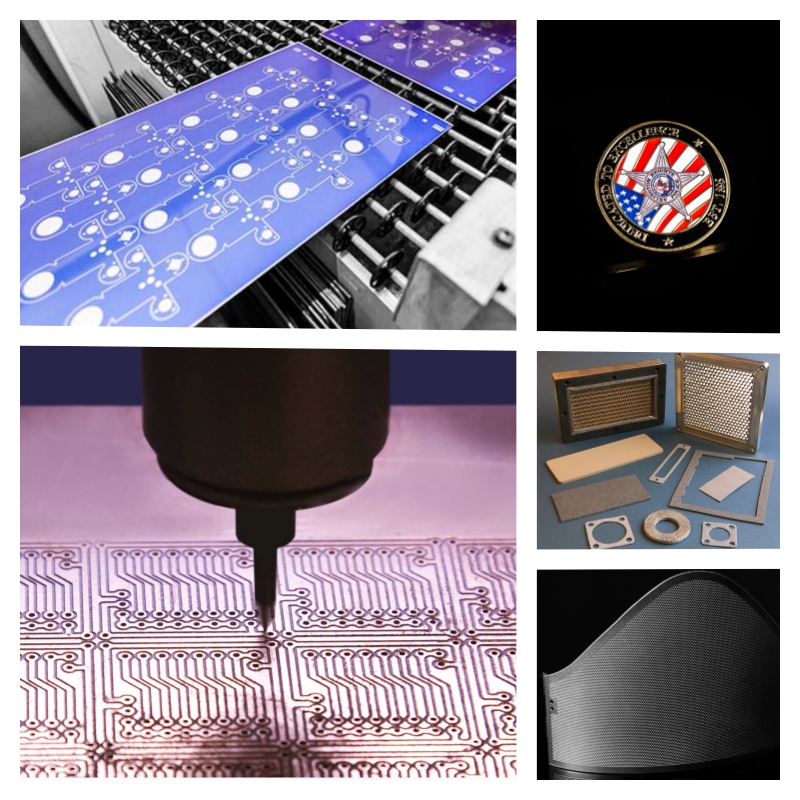
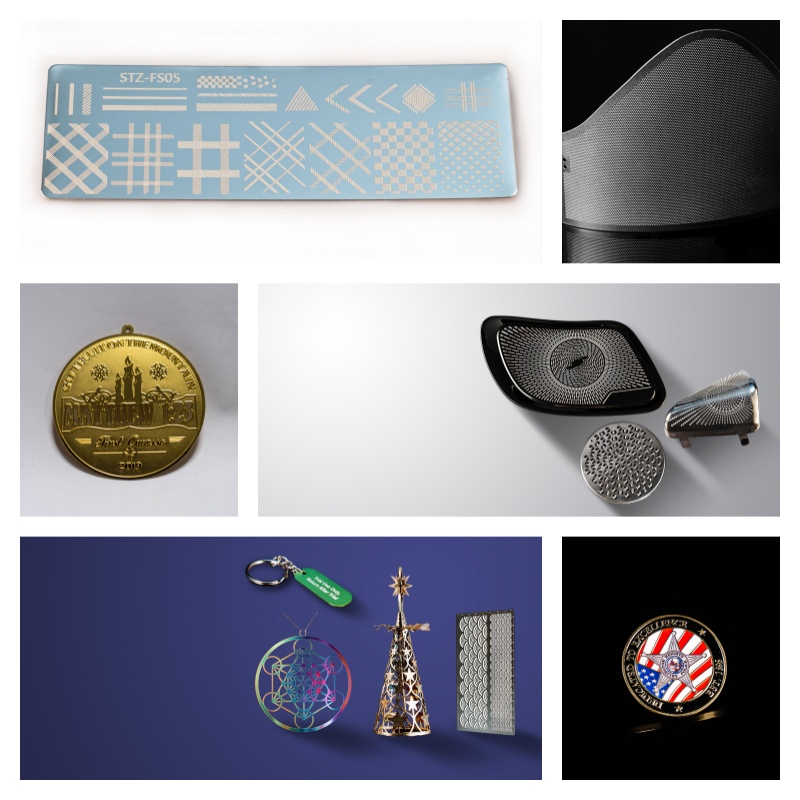
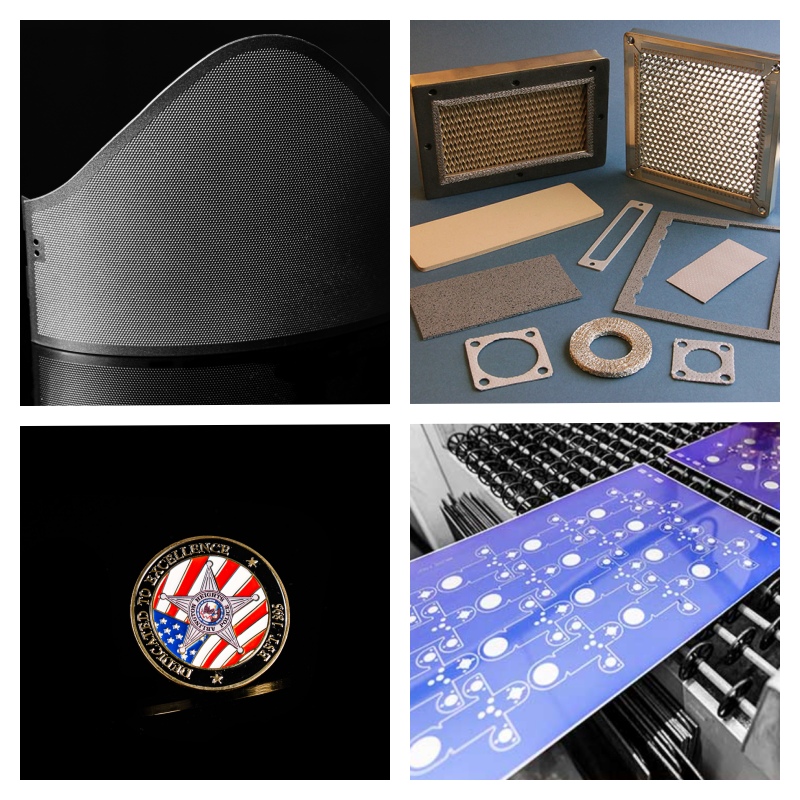
Founded with a commitment to precision and innovation, DRAGON ETCHING TECHNOLOGY., LIMITED is one of the fastest companies in the chemical etching industry. With years of experience and advanced technological capabilities, the company specializes in delivering high-quality, customized metal etching solutions for a wide range of industries, including Electronics and Semiconductor, Optics & Filtration, Automotive & Industrial, Medical & Consumer Electronics, and Cultural and Customized Gift Applications. Their state-of-the-art facilities and rigorous quality control ensure that each component meets the highest standards of accuracy and reliability.
Custom Etchant Formulations
DRAGON ETCHING develops custom chemistries for titanium and molybdenum. For titanium, a mix of hydrofluoric acid and nitric acid (HF/HNO3) is used at controlled temperatures (30–40°C) to remove the oxide layer while maintaining a consistent etch rate. For molybdenum, an alkaline solution of potassium ferricyanide with added surfactants ensures clean sidewalls. The company uses automated dosing systems to maintain etchant composition within tight tolerances.
Process Parameter Optimization
Temperature, agitation, and time are critical. DRAGON ETCHING employs real-time monitoring with pH and conductivity sensors to adjust parameters dynamically. For titanium, a two-step process (oxide removal followed by etching) minimizes pitting. For molybdenum, low agitation rates prevent bubble trapping, which can cause uneven etching.
Advanced Equipment and Quality Control
The company's cleanroom facilities include high-resolution UV exposure units (10–20 μm line spacing) and conveyorized spray etchers with precision nozzles. QC tools like profilometers and microscopes verify critical dimensions. DRAGON ETCHING also uses XRF to analyze material composition before production, ensuring compatibility of etchants.
Case Studies: Successful Etching of Titanium and Molybdenum
One example is a titanium micro-mesh for medical implants requiring 100 μm holes with ±5 μm tolerance. DRAGON ETCHING achieved this using a double-sided etching process, with etching time adjusted to account for the metal's natural oxide. Another case involved molybdenum heat sinks for semiconductor devices, where the company's proprietary etchant reduced sidewall roughness to less than 2 μm.
Application Industries
Electronics and Semiconductor: Molybdenum is used for thin-film transistors and interconnects. Titanium is employed in MEMS and sensor components due to its biocompatibility. DRAGON ETCHING provides precise etching for these critical parts.
Medical & Consumer Electronics: Titanium implants (plates, screws) and housings for medical devices require smooth edges and no burrs, which chemical etching inherently provides. Molybdenum is used in X-ray targets and medical imaging equipment.
Automotive & Industrial: Both metals appear in high-performance engines, exhaust systems, and chemical processing equipment where corrosion resistance is key.
Why Choose DRAGON ETCHING for Challenging Materials?
DRAGON ETCHING TECHNOLOGY., LIMITED combines technical expertise, responsive service, and innovative processes. The company's commitment to exceeding client expectations is backed by ISO 9001 certification and a team of engineers with decades of experience. From prototype development to large-scale production, they work closely with clients to transform complex designs into precise, functional metal parts.
Quality Assurance
Every batch undergoes rigorous testing: dimensional inspection using digital microscopes, surface roughness measurement, and chemical resistance tests. For titanium, DRAGON ETCHING validates oxide layer removal by analyzing the surface with EDX. For molybdenum, they check for micro-cracks via dye penetrant inspection.
Conclusion
Handling titanium and molybdenum requires deep chemical knowledge and process control. DRAGON ETCHING has invested in R&D to master these materials, enabling industries to benefit from their unique properties without compromising precision. Whether for prototype or volume production, the company offers reliable solutions that meet the highest standards of accuracy and reliability.
Article Summary
Chemical etching of titanium and molybdenum presents unique challenges due to their chemical resistance and physical properties. DRAGON ETCHING TECHNOLOGY., LIMITED overcomes these through custom etchant formulations, precise process parameter optimization (temperature, agitation, time), and advanced equipment. The company's expertise in handling these materials supports diverse industries such as electronics, medical, and automotive, delivering high-precision components with stringent tolerances. From prototype to mass production, DRAGON ETCHING ensures quality through rigorous testing and continuous innovation.